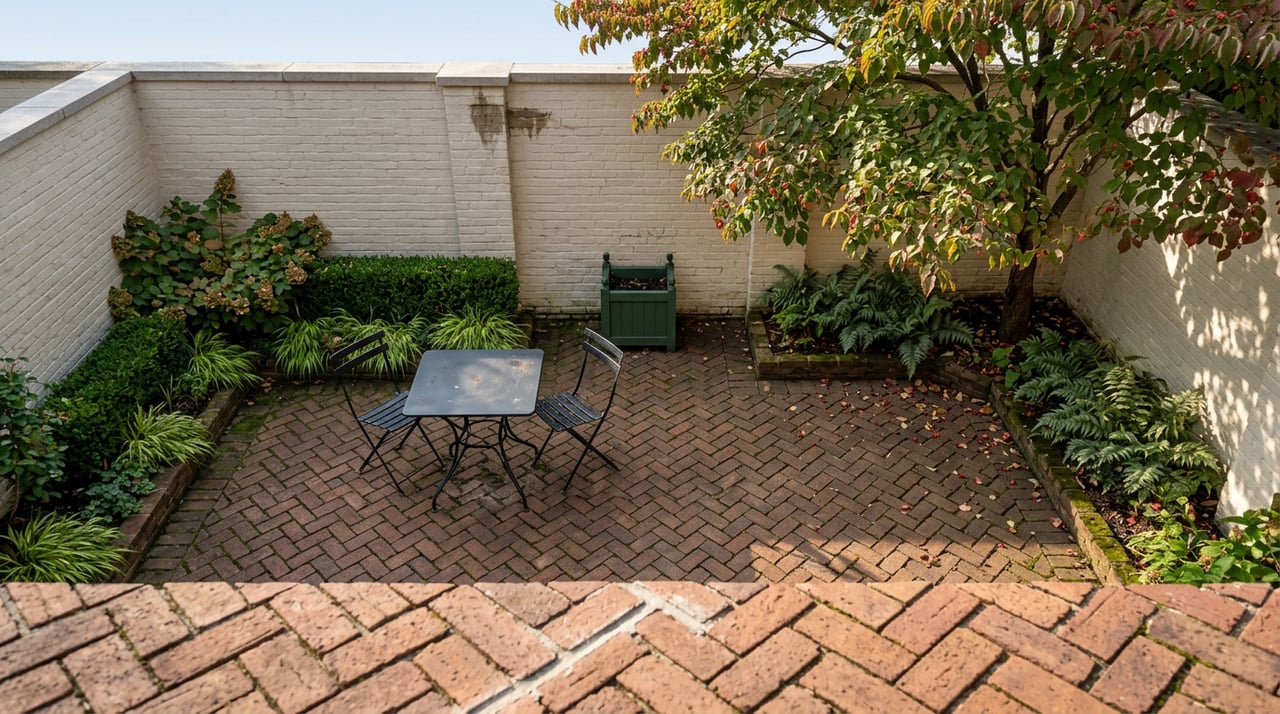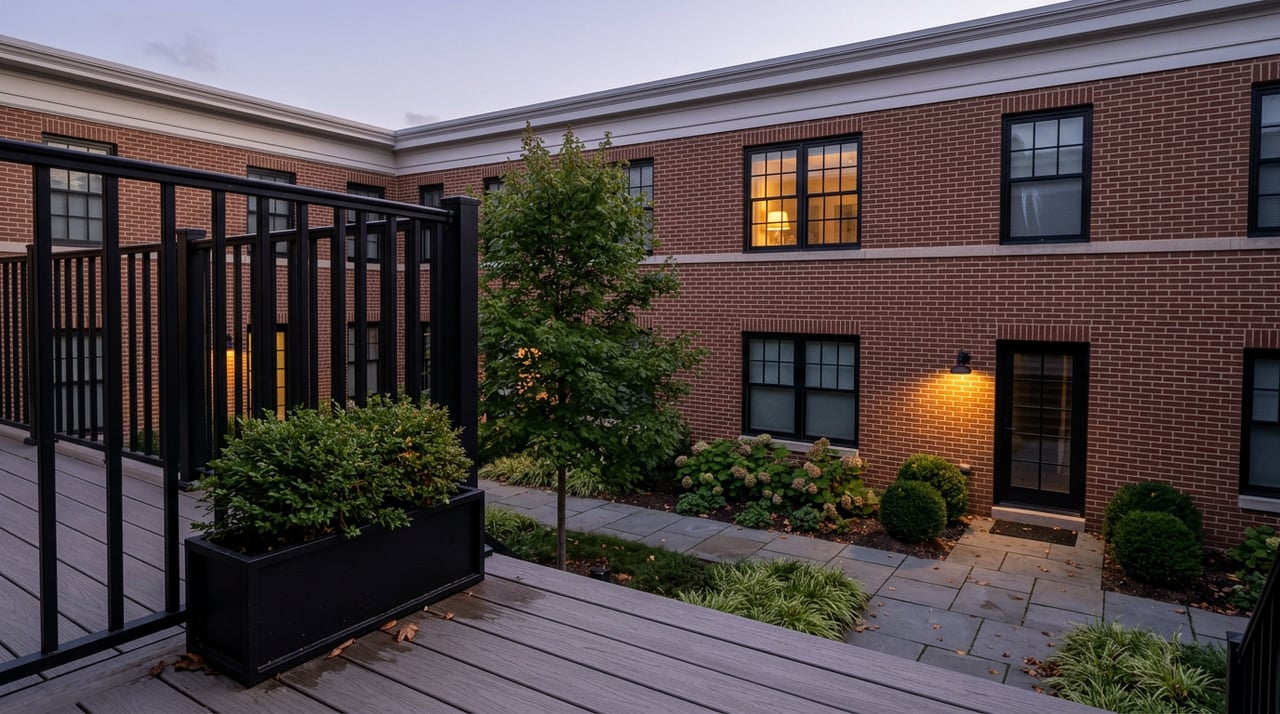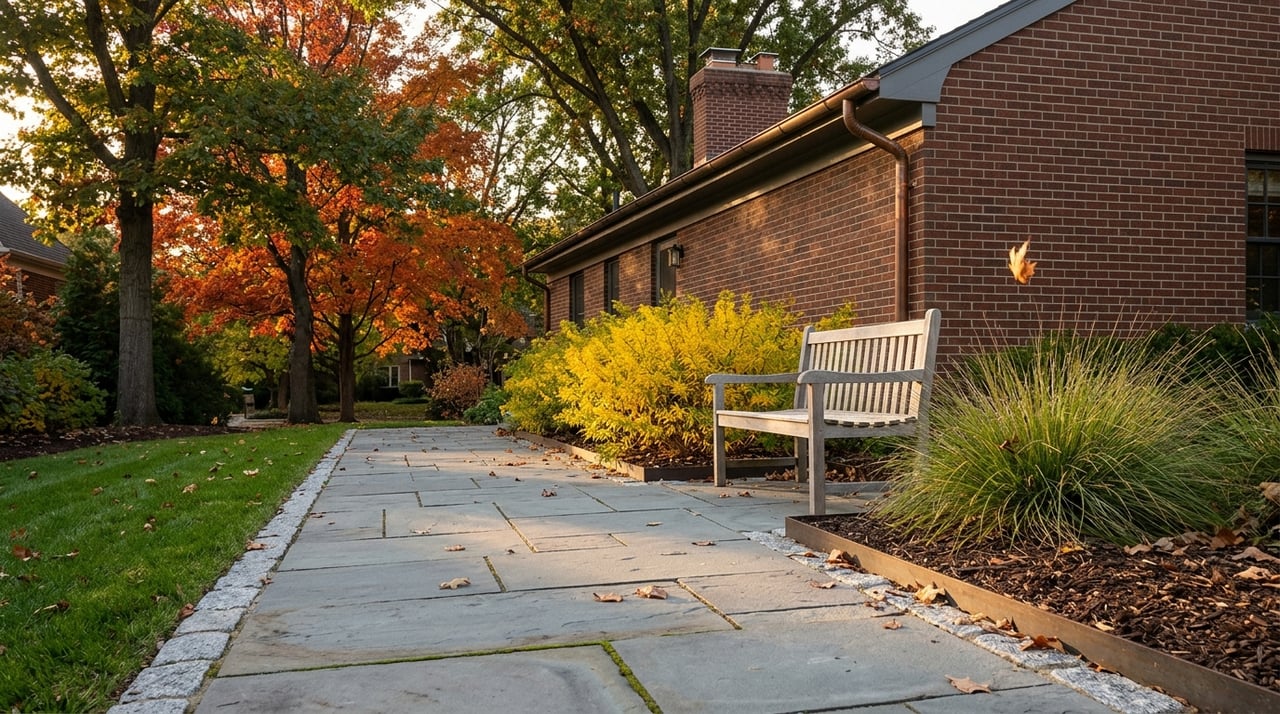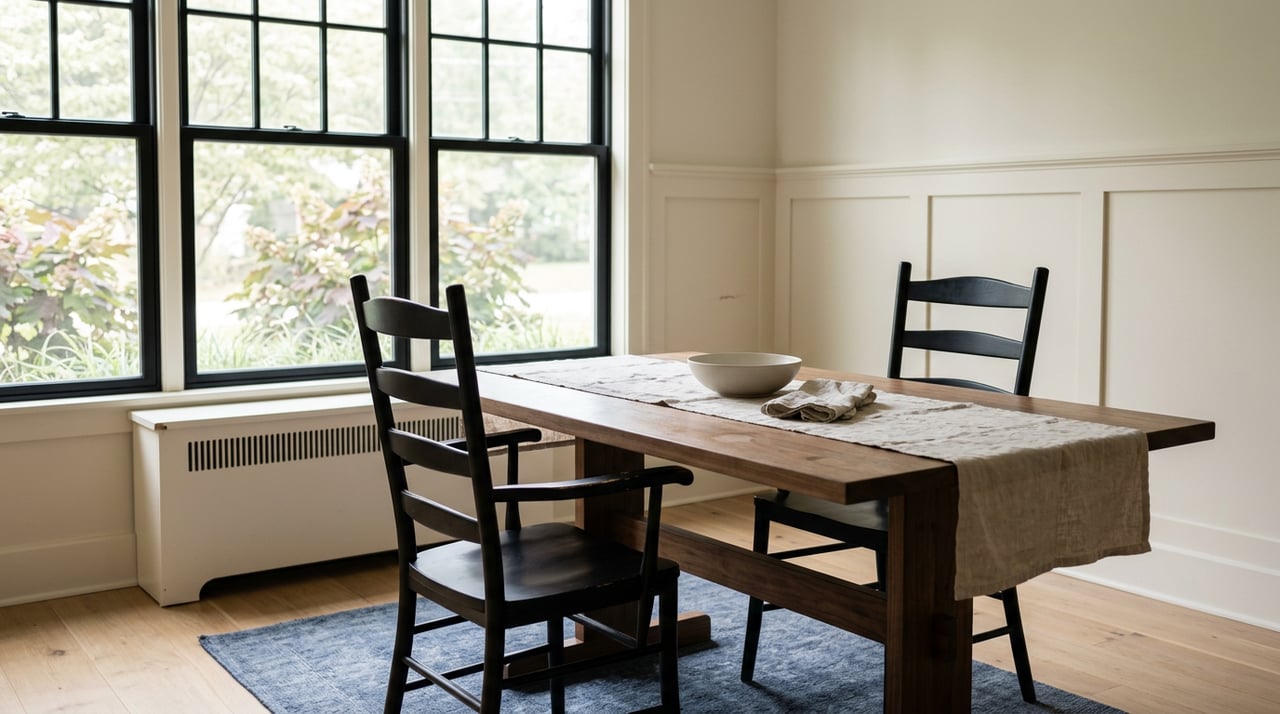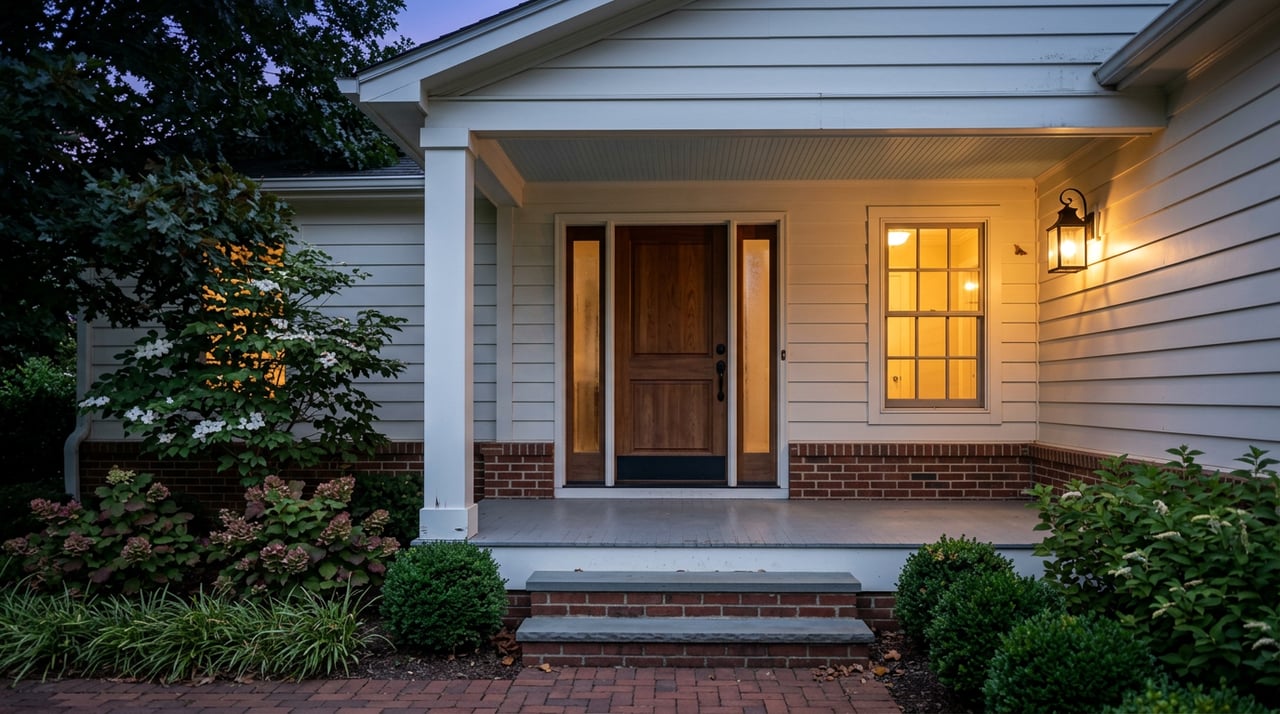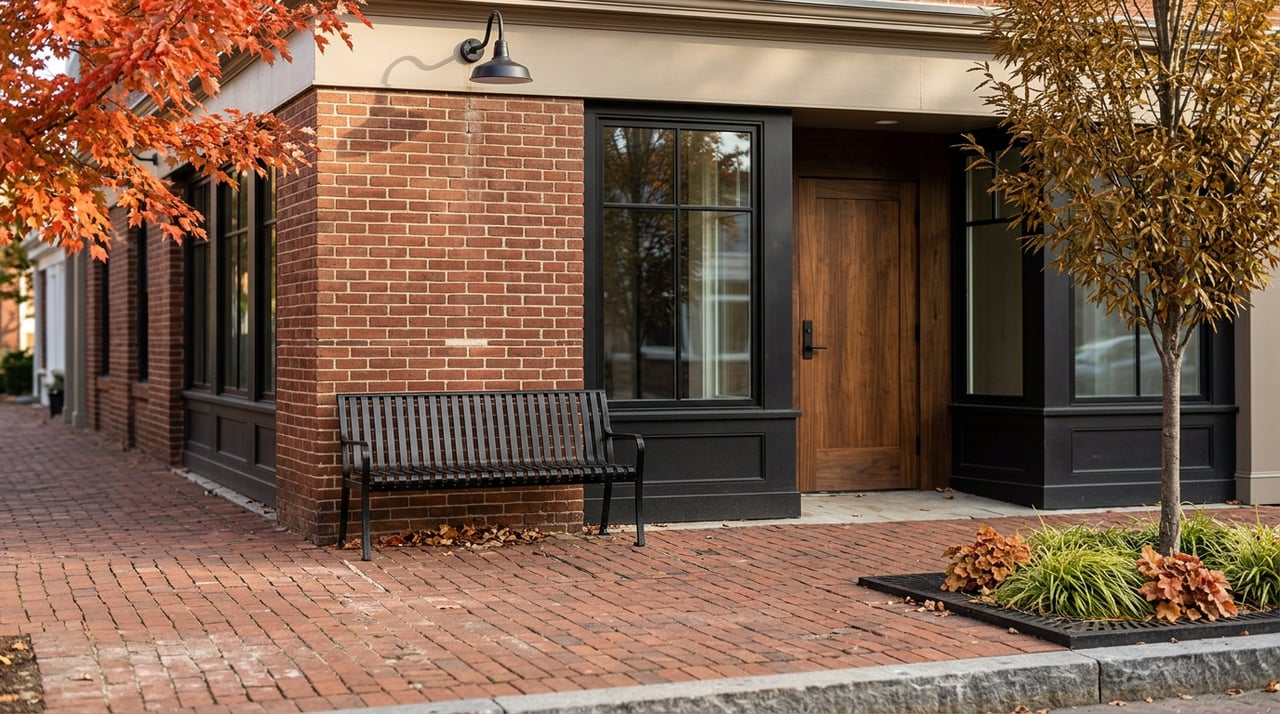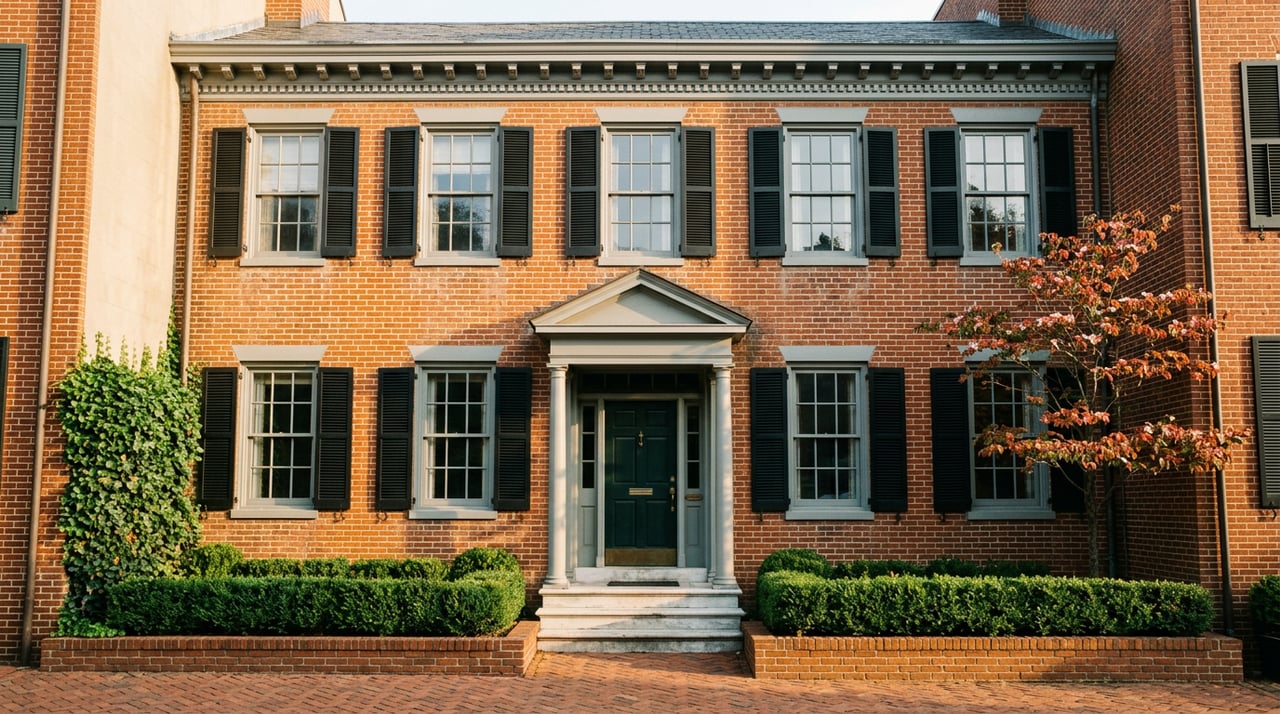
Two buyers toured rowhouses in Old Town on the same Saturday this spring. Both homes were brick, both had been listed as classic Alexandria charmers, both were priced within a few thousand dollars of each other. One buyer asked her agent a simple question before writing an offer: how long would it take to replace the original windows? The answer for one house was a matter of pulling a permit. The answer for the other involved a city board, a public hearing, and a wait that could stretch past three months.
The difference had nothing to do with the house. It had to do with which side of Bashford Lane it sat on.
The line has a name
Alexandria's Old and Historic Alexandria District, the locally designated historic district enforced by the city's Board of Architectural Review, runs from Hunting Creek at the city's southern edge north to Bashford Lane, and from the Potomac River east to roughly the King Street Metro station on the west. That boundary is drawn by the city itself, not by marketing copy, and it decides whether a given address falls under the BAR's authority at all.
Inside that line, any exterior alteration visible from a public street, along with any demolition affecting more than 25 square feet of material, requires the Board's approval before a building permit can be issued. Outside it, a homeowner working through the same scope of work answers to the standard city permitting process and nothing more.
Most buyers hear "Old Town" and picture one neighborhood. The city's own maps tell a different story: two zones sharing a name, a trolley line, and a zip code, but not the same set of rules once you own the place.
What actually triggers a hearing, and what doesn't
Inside the historic district, the review process sorts projects into two tracks. Minor work that doesn't change the historic character, like repainting in the same color, repairing a roof with matching materials, or routine maintenance, can be approved administratively by preservation staff, often within days to a couple of weeks. Anything more substantial goes to a full board hearing.
Projects that typically need that hearing include:
- Window and door replacements, especially when material, size, or muntin pattern changes
- New additions, rooftop construction, dormers, or anything visible from the street
- Siding replacement, particularly synthetic materials on primary elevations
- Painting previously unpainted masonry
- Any demolition of more than 25 square feet, regardless of visibility
Interior work, by contrast, generally clears without BAR involvement at all. A gutted kitchen with no change to the exterior footprint doesn't need a Certificate of Appropriateness. The moment that renovation touches a window, a wall facing the street, or the brick itself, the calendar changes. Staff-level approvals move in days to weeks. Full public hearings typically run four to eight weeks from submission to decision, and homeowners doing common exterior projects, like a window replacement or a small addition, should plan for two to four months from first sketch to permit in hand.
None of this makes the historic district a bad investment. It's the reason Alexandria's cobblestone streets and Federal-era facades still look the way they did two centuries ago. But it's a cost that shows up in time and design flexibility rather than on a settlement statement, and it applies unevenly across a neighborhood that markets itself as one thing.
Why the cranes are all on the other side of the line
Walk a few blocks north past Bashford Lane into Old Town North and the rules change entirely. That area sits outside the designated historic boundary, which means the district's four-story height limit doesn't apply there either. It's not a coincidence that the neighborhood's biggest development activity has landed exactly on that side of the line.
Alexandria's City Council has already approved the redevelopment of Robinson Terminal North, a 3.2-acre former industrial waterfront parcel at Oronoco and North Union Streets, as part of the city's long-running effort to complete public access along the Potomac. A few blocks south, Robinson Landing, the mixed-use townhome and condominium project built on the old Old Town waterfront, has largely delivered its residences and brought new dining to the pier. Further along the river, the former power plant site has drawn public debate over a proposal reaching up to eighteen stories, with city planning staff and residents weighing that height against the four-story ceiling that governs the historic district just south of it.
None of those projects could happen inside the boundary that runs through Bashford Lane. That's the point. Buyers weighing "Old Town" against "Old Town North" aren't just comparing two price points. They're comparing a neighborhood where the building stock is essentially fixed by design against one that's actively being built out, with new inventory, new amenities, and new construction quality arriving over the next several years.
What this means for the number on the listing
Alexandria's citywide numbers already hint at how differently these submarkets behave. Over the three months ending in August 2026, the city's median sale price ran about $736,000, up 11.2 percent year over year, with homes taking a median of 40 days to sell, up from 34 days the prior year. Break that median down by property type and the spread widens considerably: single-family homes carried a median price of $1,274,997 as of the March 2026 city data, townhouses came in at $826,939, and condos and co-ops at $366,427. Del Ray, one of the city's non-historic-district neighborhoods, posted a median of $945,000 over the same period.
None of that data is cut precisely at Bashford Lane, because public reporting doesn't segment by regulatory boundary. But the pattern underneath it is worth sitting with. A rowhouse south of that line is priced with its preservation constraints already baked in. Buyers are paying for the facade, the streetscape, and the certainty that the block will look the same in twenty years, and accepting the approval process as the tradeoff. A comparable property in Old Town North, or new construction like Robinson Landing's remaining inventory, is priced against a neighborhood still under construction, where the long-term character of the block hasn't been fixed yet and won't be capped at four stories.
Comparing those two listings on price per square foot alone misses the more useful question: what happens the first time you want to change something about the house.
For sellers, the same line cuts twice
If you're preparing to sell inside the historic district, any prior Certificate of Appropriateness on file for windows, an addition, or exterior repairs is worth pulling and presenting to buyers as documentation, not just paperwork. It answers the renovation-timeline question before a buyer's agent has to ask it, and it can be the difference between a buyer who feels confident moving forward and one who walks away intimidated by a process they don't understand.
Sellers just outside the boundary, in Old Town North or similar pockets, have a different story to tell: freedom to update the exterior without a hearing, and a neighborhood where new restaurants, waterfront access, and construction activity are actively adding value rather than staying frozen in place. Both stories are real. Knowing which one applies to a specific address, down to the block, is what separates a generic Old Town listing from one that's priced and marketed correctly.
A few questions worth asking before you write an offer
How do I find out if a specific Alexandria address is inside the historic district? The city maintains a Historic Preservation Map viewer that shows the boundaries for both the Old and Historic Alexandria District and the Parker-Gray District, along with individually designated One Hundred-Year-Old Buildings that carry their own BAR oversight even outside those boundaries.
Does being outside the historic district mean a house has no restrictions at all? No. Standard city zoning, building codes, and in some communities an HOA still apply. It simply means exterior changes don't require a Certificate of Appropriateness from the Board of Architectural Review.
Is a historic-district home a worse investment because of the approval process? Not necessarily. It's a different kind of ownership experience, one that trades some renovation speed for long-term architectural consistency that has helped preserve Old Town's value for generations. The right answer depends on what you're trying to do with the house.
If you're weighing a home in Old Town against one in Old Town North, Del Ray, or elsewhere in the city, the Sarro Georgatsos Group can walk the specific address with you, pull its historic-district status before you write an offer, and help you understand what the property will actually let you do once you own it. Reach out when you're ready to look closer.