Wondering whether Vienna checks the right boxes for your next move? If you want a Northern Virginia suburb with a recognizable town center, everyday outdoor access, and more than one way to get around, Vienna is worth a close look. At the same time, it comes with tradeoffs in traffic, housing style, and how different parts of town feel. This guide will help you decide if Vienna fits your lifestyle and priorities. Let’s dive in.
What Vienna Feels Like
Vienna is an independent town in Fairfax County, about 15 miles from Washington, D.C. Its public identity is closely tied to Maple Avenue, historic Church Street, and the Windover Heights Historic District, which gives it a more compact town-center feel than many purely residential suburbs.
If you are looking for a place that feels established rather than brand new, Vienna stands out. Town planning and public-facing materials point to a traditional hometown character with a mix of local businesses, older residential areas, and civic spaces that support day-to-day life.
Town Center and Daily Convenience
One of Vienna’s biggest draws is its main-street rhythm. Maple Avenue includes specialty shops, restaurants, family-run businesses, and small stores, while Church Street planning emphasizes a pedestrian-friendly streetscape inspired by late-19th-century small-town architecture.
That matters if you want more than a subdivision-and-shopping-center routine. Vienna’s public parking lots near Town Hall, Vienna Elementary, Park Street, the Town Green and W&OD Trail, and the Vienna Shopping Center support a park-once-and-walk experience in the center of town.
For some buyers, that kind of layout creates a stronger sense of place. You may find it easier to picture quick errands, casual meals, or community events becoming part of your weekly routine instead of a special outing.
Community Events Add Character
Vienna’s calendar helps reinforce its local identity. The Halloween Parade has been running since 1946, and seasonal events like Chillin’ on Church and Walk on the Hill add to the town’s small-scale, community-oriented rhythm.
If you value places that feel active beyond the housing stock itself, this can be a real plus. Public events do not tell you everything about a town, but they do help show how shared spaces are used and how the town presents itself to residents and visitors.
Parks and Trails in Vienna
Outdoor access is one of Vienna’s strongest lifestyle features. The W&OD Trail runs through the heart of town, and NOVA Parks describes it as a 45-mile paved trail used for walking, running, bicycling, and skating.
That trail access gives Vienna an advantage for buyers who want easy options for exercise or recreation without planning a full day around it. The town also highlights tree-lined streets and easy trail connections, which adds to the appeal for people who like getting around on foot or by bike when possible.
Local Parks Support Everyday Use
Vienna’s park system adds to its green, neighborhood-scale feel. Local options include Northside Park and Maud Robinson Wildlife Preserve, Moorefield Park with the Vienna Dog Park and trail connections to Nottoway Park, plus Glyndon Park, Meadow Lane Park, and Sarah Walker Mercer Park.
This is important because outdoor access is not just about one major trail. If your ideal suburb includes smaller parks woven into daily life, Vienna offers several places that can support walks, play time, or a quick break outside.
Maps Help You Compare Areas
The town maintains bike, pedestrian, and public transportation maps. For buyers, that can be useful when comparing different parts of Vienna and thinking through trail access, walking routes, and mobility options before choosing a home.
Commuting From Vienna
Vienna offers real transit access, but it is not a no-car environment. The Vienna/Fairfax-GMU station connects the area to Metro’s Orange Line, and WMATA lists parking, bike racks, and bus connections at the station, including Fairfax Connector and City of Fairfax CUE service.
For some households, that makes Vienna a practical choice for a mixed commute. You may be able to combine driving, transit, biking, and bus service depending on where you live and where you need to go.
Park-and-Ride Is a Real Option
The station’s parking capacity is a notable feature. WMATA lists 5,169 all-day parking spaces at Vienna Station, along with short-term metered parking and bike storage.
If you expect to drive to Metro rather than walk to it, that setup may make Vienna more workable. This is especially relevant for buyers comparing Vienna with places where transit exists but is harder to use in a predictable daily routine.
Driving Is Still Part of Life
Even with Metro access, driving remains part of everyday life in Vienna. The town’s 2026 draft comprehensive plan describes Maple Avenue, also known as VA-123, as the central artery of the commercial districts, and the segment between Nutley Street and Follin Lane carries about 27,000 vehicles per day.
That does not mean Vienna is the wrong fit. It does mean you should go in with realistic expectations if light traffic and a fully walkable lifestyle are high priorities. The town is also upgrading Maple Avenue and Nutley Street signals to improve traffic flow, which shows this is an active local issue.
Housing Styles and Neighborhood Feel
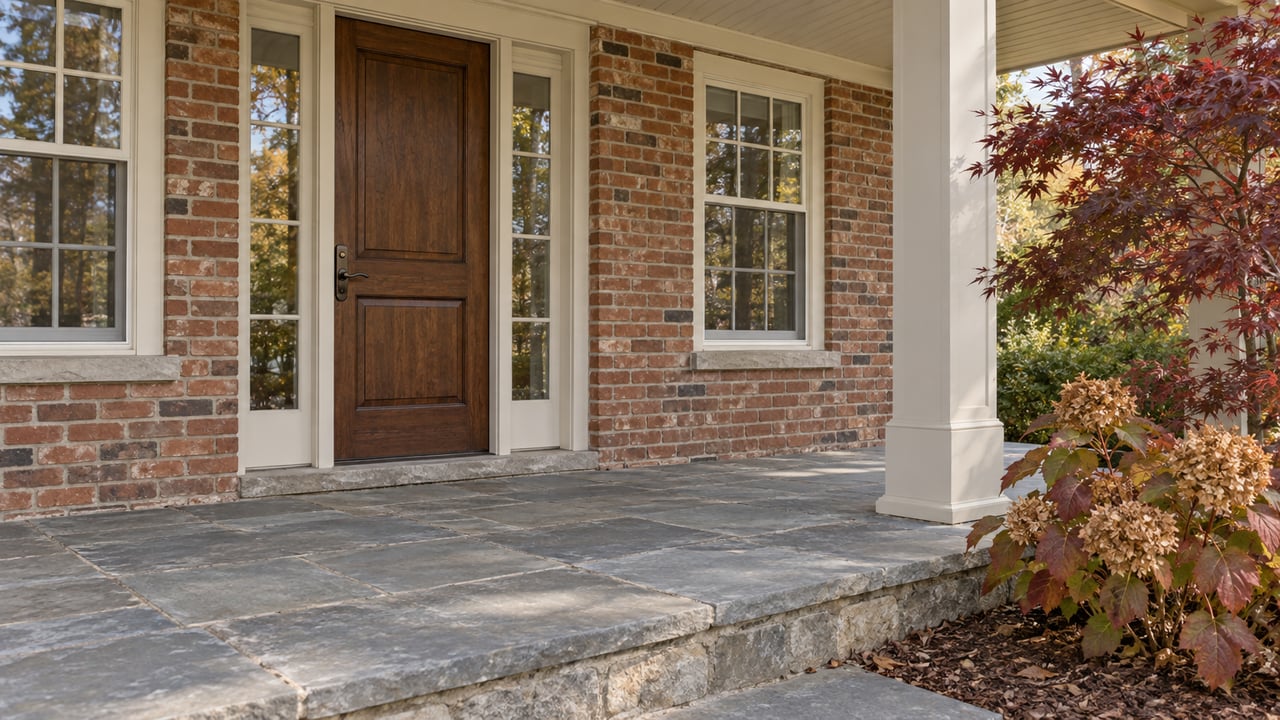
Vienna is not limited to one housing type. While many areas are primarily single-family detached homes, the town’s draft 2026 comprehensive plan also notes moderate-density areas with townhouses, duplexes, and low-rise multifamily, along with mixed-use areas that can include residential development near commercial corridors.
That broader mix can be helpful if you want options at different price points, maintenance levels, or proximity to transit and commercial areas. In other words, Vienna is not just one thing, and your experience can vary depending on where in town you focus.
Older Homes and Established Streetscapes
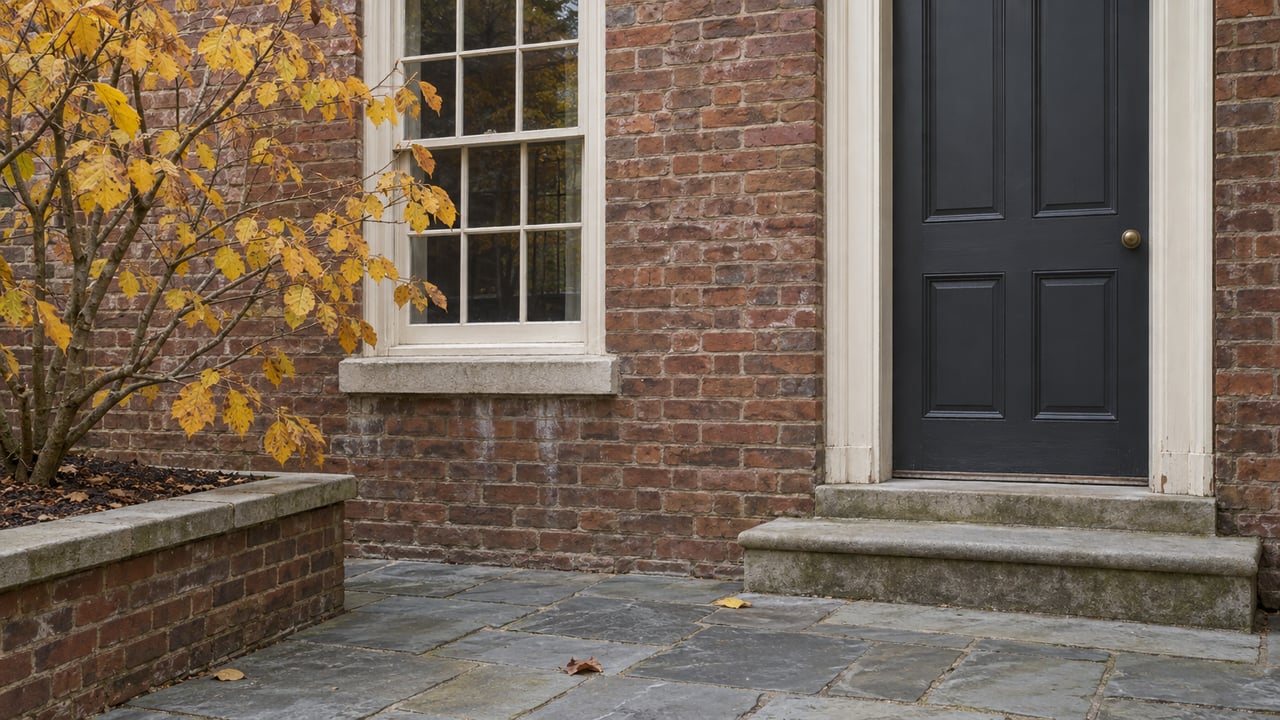
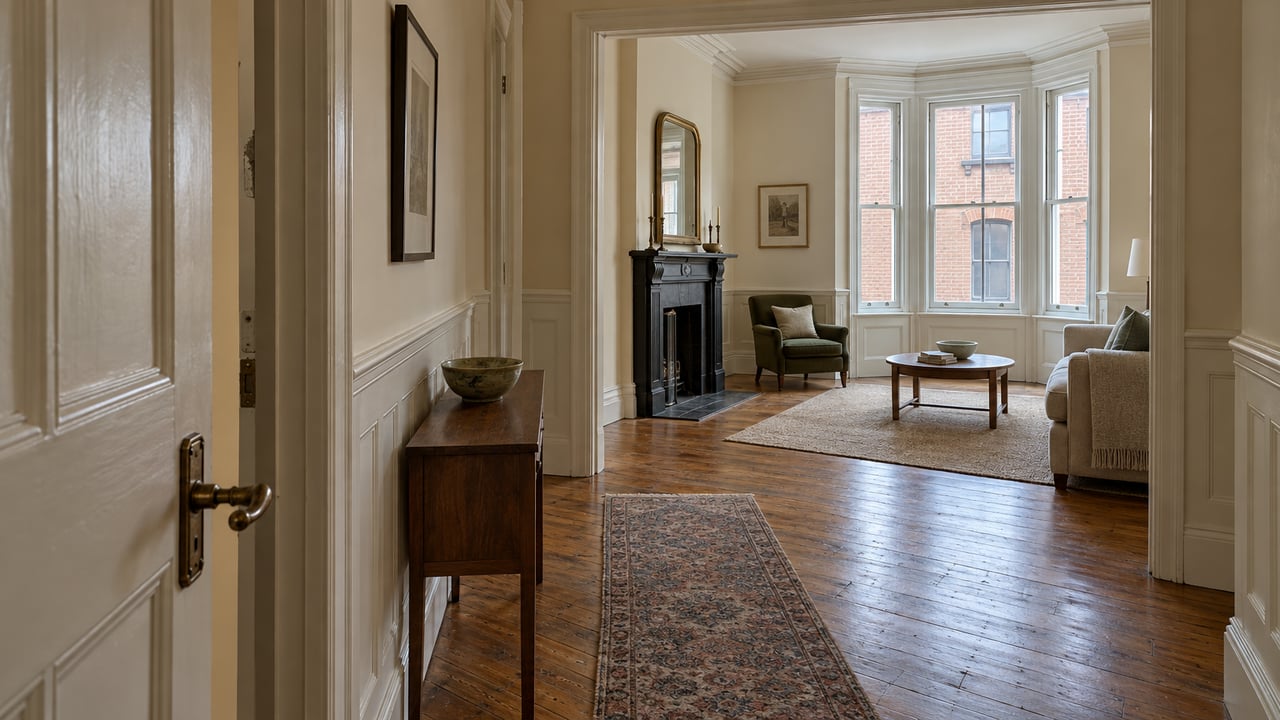
If you are drawn to older homes with character, Vienna may feel especially appealing. Windover Heights is one of the clearest examples, described by the town as a mostly single-family neighborhood with older homes, open space, and meandering tree-lined streets.
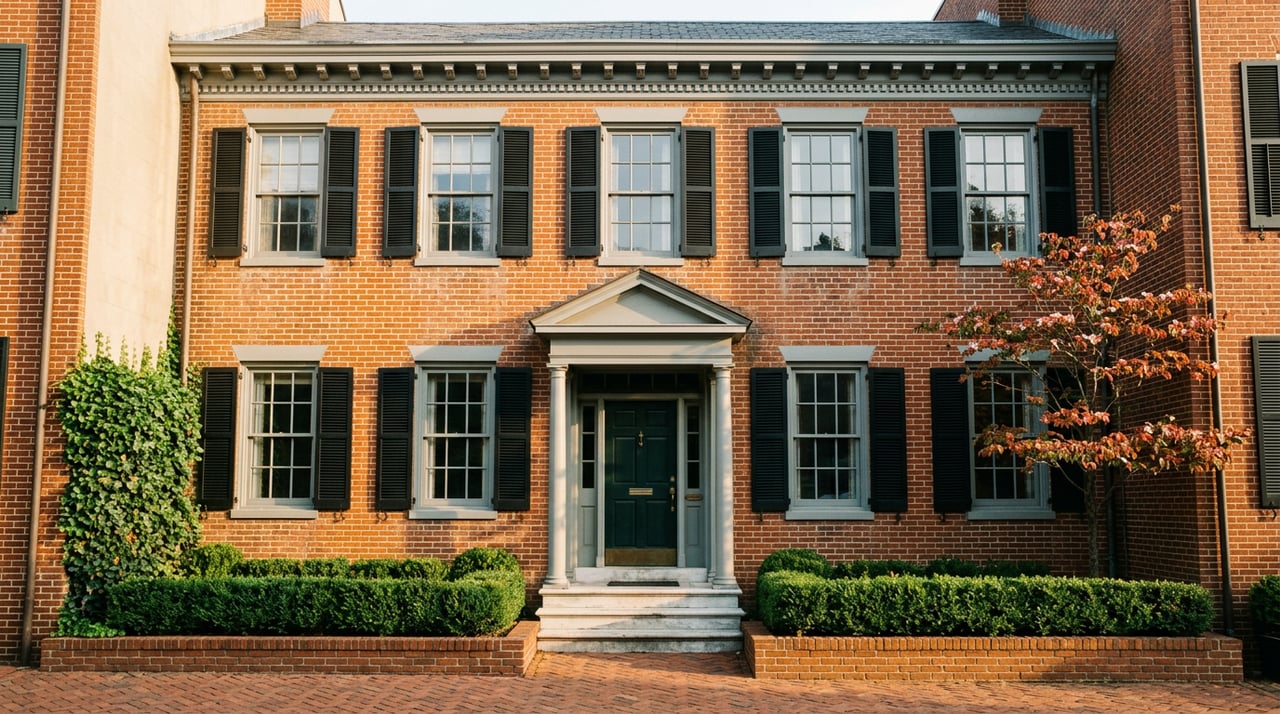
Church Street planning also points toward a small-town streetscape and late-19th-century American-style architecture rather than a more modern suburban commercial pattern. That creates a setting many buyers find appealing when they want a suburb with visual variety and a more established feel.
Historic District Rules Matter
Character can come with added considerations. In Windover Heights, exterior changes in the historic district can require review.
For some buyers, that is part of the appeal because it helps preserve the area’s appearance. For others, it may feel like an extra layer of planning if they expect to make major exterior changes. It is worth understanding that tradeoff early.
Who Vienna May Be Right For
Vienna could be a strong fit if you want:
- A suburb with a recognizable town center
- Access to parks, trails, and outdoor recreation
- Metro availability with park-and-ride convenience
- Older homes and established streetscapes
- A mix of residential options beyond only detached houses
- Community events and civic spaces that add local identity
For these buyers, Vienna often offers a blend that can be hard to find. It combines local character, practical commuter infrastructure, and everyday amenities in a way that feels more layered than a purely newer-planned suburb.
Who May Want a Different Fit
Vienna may be less aligned with your goals if you want:
- A highly uniform newer-construction suburb
- Minimal traffic along key commercial corridors
- A lifestyle that depends on walking everywhere without driving
- A home setting with no potential historic-district review constraints
None of these points are deal breakers on their own. The key is knowing which tradeoffs matter most to you before you start comparing homes and neighborhoods.
How to Evaluate Vienna Before You Buy
If Vienna is on your shortlist, try to evaluate it in person through the lens of your real routine. Visit Maple Avenue and Church Street, check how close you feel to parks or the W&OD Trail, and test the commute pattern that would matter most for your household.
It also helps to compare different parts of town, not just Vienna as a whole. A home near trail access or closer to the Metro station may feel very different from one in a more interior residential area, and those differences can shape your day-to-day experience.
If you are weighing Vienna against other close-in Northern Virginia options, a hyperlocal approach matters. The right choice is usually less about broad reputation and more about how a specific block, housing type, or commute pattern lines up with your priorities.
Vienna offers a compelling mix of town-center character, outdoor access, and commuter convenience, but the right fit always comes down to how you live. If you want practical guidance on comparing Vienna with other DMV neighborhoods, the Sarro Georgatsos Group can help you make a smart, well-prepared move.
FAQs
Is Vienna, Virginia a walkable suburb?
- Vienna has a compact town-center feel in areas around Maple Avenue and Church Street, plus public parking that supports a park-once-and-walk experience, but driving is still part of daily life for many residents.
Does Vienna, Virginia have Metro access?
- Yes. The Vienna/Fairfax-GMU station provides access to Metro’s Orange Line and includes parking, bike racks, and bus connections.
What is the outdoor lifestyle like in Vienna, Virginia?
- Vienna offers strong outdoor access with the W&OD Trail running through town, along with local parks such as Northside Park, Moorefield Park, Glyndon Park, Meadow Lane Park, and Sarah Walker Mercer Park.
What kinds of homes can you find in Vienna, Virginia?
- Vienna includes primarily single-family detached homes in low-density areas, along with townhouses, duplexes, low-rise multifamily, and some residential development near commercial corridors.
Are there historic district considerations in Vienna, Virginia?
- Yes. In Windover Heights, exterior changes in the historic district can require review, so buyers should understand those requirements if they are considering a home there.
Is Vienna, Virginia a good fit if you want a newer suburb?
- Vienna may be less ideal if your top priority is a highly uniform newer-construction suburb, since town materials point to older homes, established neighborhoods, and a more traditional town character.