Buying in Georgetown can feel exciting and a little intimidating at the same time. You are not just choosing a home here. You are also choosing a lifestyle shaped by history, walkability, limited parking, and some of the highest home prices in Washington, DC. If you are thinking about making a move, it helps to know what really drives the decision so you can buy with confidence. Let’s dive in.
Why Georgetown Feels Different
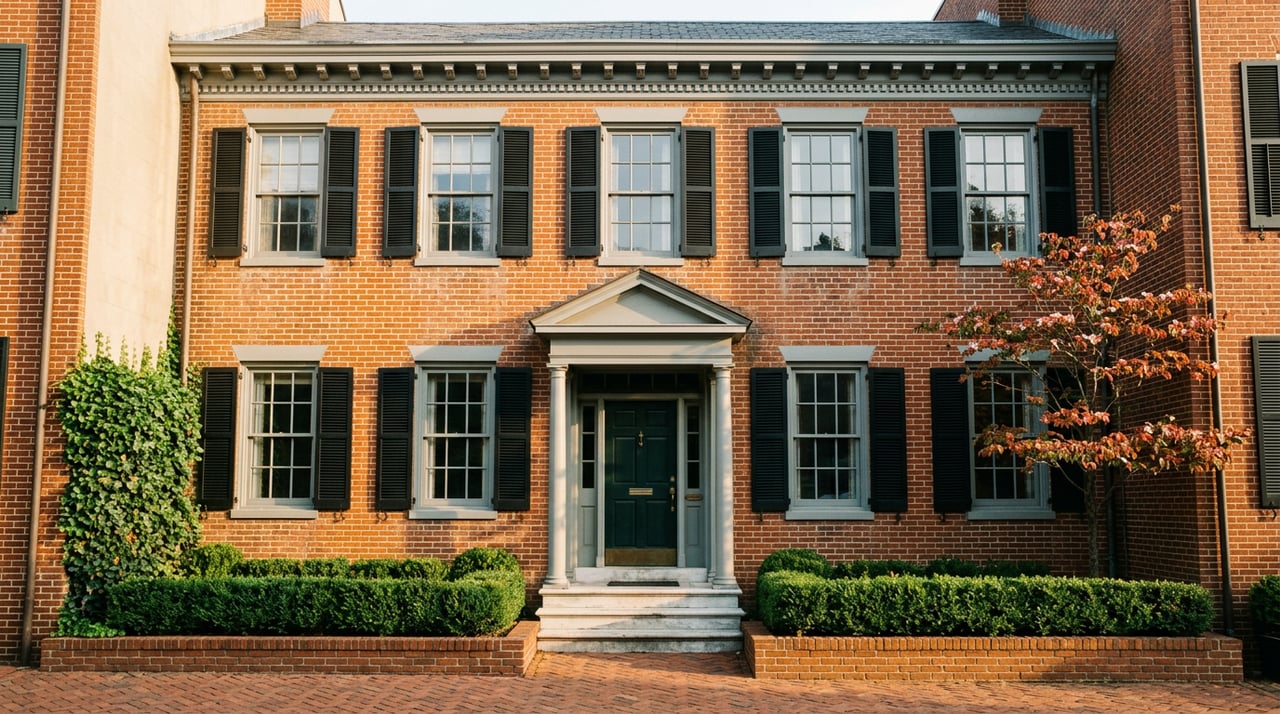
Georgetown stands apart because it blends deep history with a dense mix of shops, restaurants, and waterfront amenities. The neighborhood dates back to 1751, and its residential core includes homes from as early as the 18th century. That long history still shapes what you see and what you can buy today.
The Georgetown Historic District was listed on the National Register and designated a National Historic Landmark in 1967. Its period of significance was later expanded through 1950. In practical terms, that means many homes here come with architectural character that is hard to replicate, but they may also come with added responsibilities for maintenance and exterior changes.
Rowhouse vs. Condo
For many buyers, the first big Georgetown question is simple: do you want a rowhouse or a condo? That choice often sets the tone for your budget, maintenance load, privacy, and long-term plans.
Georgetown’s zoning framework is designed to preserve its historic character and housing mix, including attached rowhouses on small lots. That helps explain why rowhouses feel so central to the neighborhood’s identity. Condos, on the other hand, are often the lower-maintenance option buyers compare against them.
When a Rowhouse May Fit Better
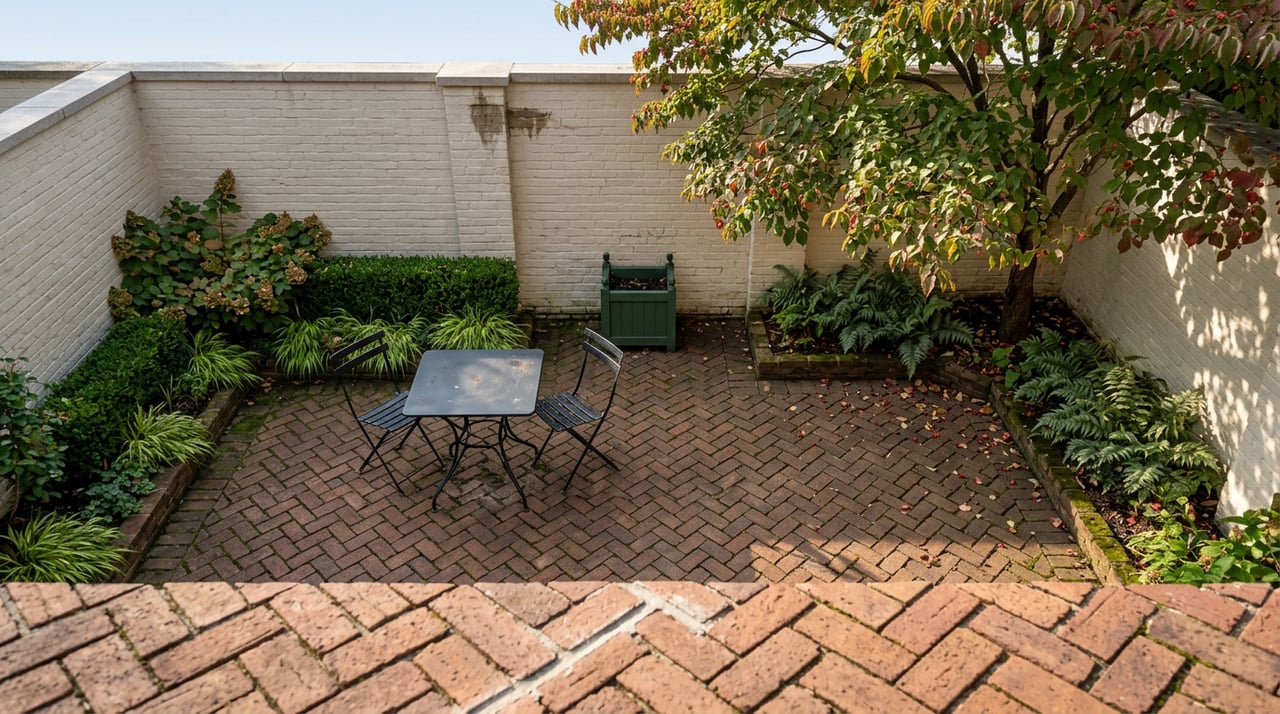
A rowhouse may be the better fit if you want more space, more privacy, and greater control over the exterior and interior of the property. You may also value having your own entrance, more separation from neighbors, and the feel of a classic Georgetown home.
That said, more control usually means more responsibility. You should expect to handle upkeep, repairs, and maintenance more directly. In a historic area, even exterior projects that seem minor can require more planning than you might expect.
When a Condo May Fit Better
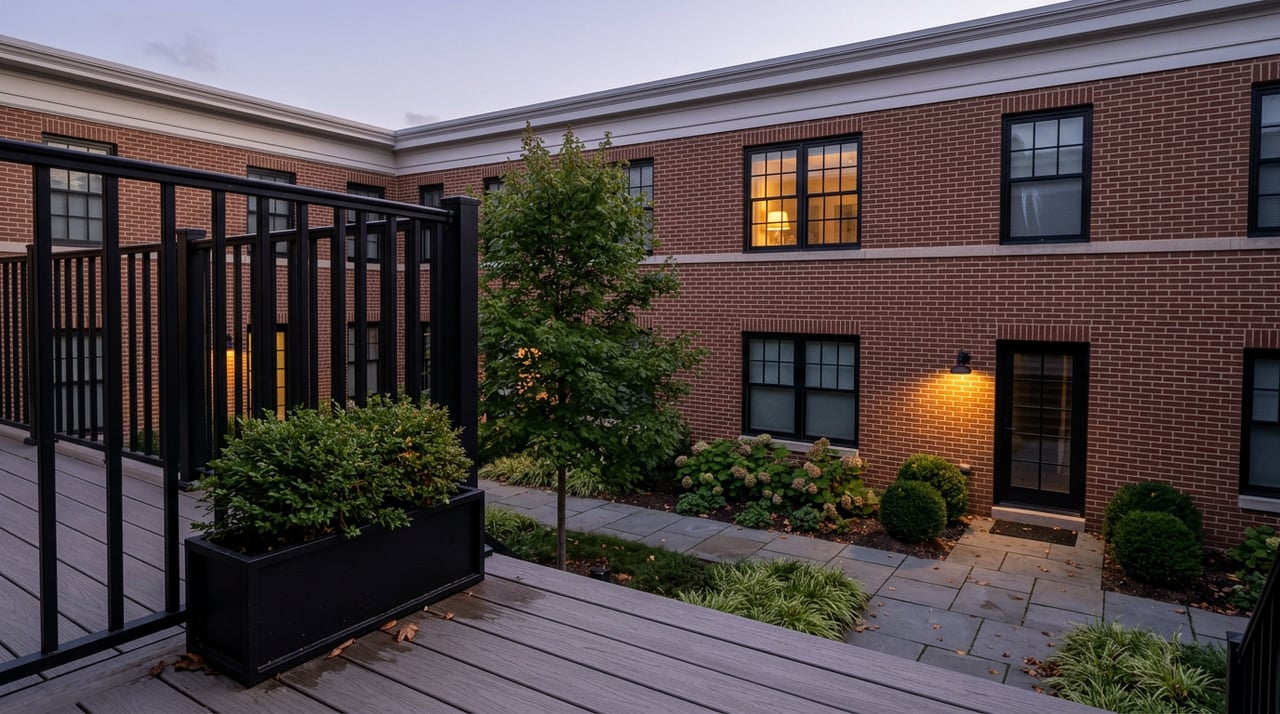
A condo may make more sense if you want less day-to-day maintenance and a simpler ownership experience. That can be especially appealing if you travel often, prefer a lock-and-leave lifestyle, or do not want to manage as many repair issues on your own.
The tradeoff is that condo ownership usually includes separate HOA or condo fees. Those fees can vary widely, from a few hundred dollars a month to more than $1,000. As you compare properties, it is important to treat those fees as part of your real monthly housing cost, not as a side expense.
Historic Review Matters
In Georgetown, a beautiful historic home can also mean a more detailed ownership process. If a property is in the historic district, exterior work may require review depending on where the work is located and whether it is visible from public space.
The Commission of Fine Arts reviews exterior work visible from public streets or alleys. The Historic Preservation Review Board and Historic Preservation Office handle other exterior work that is not visible from public space. Even projects that sound routine, such as some roof replacements, rear alterations, repointing masonry, fence work, underground utility work, and public-space permits, can fall under review.
What Buyers Should Check Early
Before you move forward, it helps to understand not just the home’s condition, but also how future projects could be affected by preservation rules. If you hope to make changes after closing, that question should be part of your early due diligence.
A practical checklist includes:
- Whether the home is in the historic district
- Whether planned exterior changes may require review
- The condition of the roof, chimneys, walls, windows, and doors
- The condition of the foundation, basement, attic, and major systems
- Whether the property has deferred maintenance that could become costly
Scheduling an independent inspection as early as possible can give you time to assess concerns before you are too far along in the process. In a neighborhood with older housing stock, that extra time can be especially valuable.
Budget Beyond the Mortgage
One of the easiest mistakes in Georgetown is focusing too narrowly on the purchase price. The home itself may be the headline number, but the true cost of ownership is often much broader.
You should budget for the mortgage along with maintenance, repairs, insurance, utilities, and, when applicable, HOA or condo dues. In a historic home, repair costs can be more significant because preserving and repairing existing materials may be preferable to full replacement.
A Better Way to Compare Homes
When you compare two Georgetown properties, try looking beyond list price and square footage. A lower-priced home that needs substantial work or has high monthly fees may cost more over time than a home with a higher purchase price but fewer immediate needs.
This is where a side-by-side ownership review becomes useful. Looking at condition, monthly carrying costs, likely repairs, and your renovation goals can help you compare properties more clearly and avoid surprises after closing.
Parking and Daily Access
Georgetown’s location is a major draw, but daily access is still a real lifestyle filter. The neighborhood does not have its own Metro station, so transportation planning should be part of your decision from the start.
Common rail access points include Foggy Bottom-GWU, which is about a 15-minute walk away, and Rosslyn across the Key Bridge. In everyday life, many residents and visitors rely on Metrobus, rideshare, walking, biking, and occasional water transit.
Why Parking Deserves Extra Attention
Parking can affect your routine more than you think. The Georgetown BID says the area has 20 parking lots and garages with more than 3,800 spaces, but on-street parking is more limited.
Vehicles without a Zone 2 Residential Parking Permit are generally limited to two hours in residential permit areas. Meter rates and rush-hour restrictions on M Street and Wisconsin Avenue can also affect commuting and guest parking. If you have a car, host visitors often, or expect easy street parking, this is worth discussing block by block before you buy.
Questions to Ask About Access
A few practical questions can help you pressure-test the lifestyle fit:
- How will you usually commute?
- Do you need regular car access?
- Is off-street parking included?
- How easy will guest parking be?
- Are you comfortable relying on walking, bus service, or rideshare?
There is ongoing planning around better transit connections to Metrorail, but there is no dedicated funding in place to move alternatives forward at this time. For now, Georgetown access is something to evaluate carefully rather than assume will improve soon.
Georgetown Pricing in Context
Georgetown sits firmly in premium territory within the DC market. Recent market data showed a Georgetown median sale price of $1,524,487 over the three months ending May 2026, while Zillow’s typical home value for Georgetown was $1,514,967 as of June 30, 2026.
For comparison, Redfin reported a Washington, DC median sale price of $694,584 over the same period. That puts Georgetown at roughly 2.2 times the citywide median sale price. This is a meaningful gap, and it should shape how you think about value.
What You Are Paying For
In Georgetown, buyers are often paying for more than interior finishes or raw square footage. The neighborhood offers a concentrated mix of retail, restaurants, institutions, waterfront access, and canal amenities in one of the city’s most established settings.
The area includes more than 470 shops, restaurants, and institutions. M Street is widely known for its retail concentration, while Georgetown Waterfront Park and the C&O Canal add recreational value. In simple terms, part of the premium reflects scarcity, history, and walkable amenity density.
Smart Questions Before You Buy
If you are serious about buying in Georgetown, a few questions can help bring the decision into focus. These are often the issues that matter most once the search becomes real.
Ask yourself:
- Can you comfortably absorb HOA or condo dues in addition to the mortgage?
- Is the home’s condition consistent with your repair budget and timeline?
- Will preservation review affect your renovation plans?
- Does the parking and transit setup work for your daily life?
- Does the premium price still make sense when you factor in size, condition, and ongoing costs?
Clear answers to these questions can help you move from attraction to conviction. Georgetown can be a wonderful place to own, but it tends to reward buyers who are prepared, patient, and realistic about the full picture.
If you are weighing Georgetown against other close-in DC neighborhoods, it helps to have guidance that goes beyond listings and headlines. The right strategy is often about matching your budget, lifestyle, and tolerance for upkeep to the right property. When you are ready to talk through the tradeoffs, Sarro Georgatsos Group can help you navigate the search with clear advice and hands-on local support.
FAQs
What should you know about buying a historic home in Georgetown?
- Many Georgetown homes are in a historic district, which can affect exterior changes, renovation timing, and maintenance planning.
How do condos and rowhouses compare in Georgetown?
- Rowhouses often offer more space, privacy, and exterior control, while condos usually offer lower-maintenance living but may include monthly HOA or condo fees.
Why is parking such a big issue for Georgetown homebuyers?
- Georgetown has limited on-street parking, residential permit rules, meter restrictions, and no dedicated Metro station in the neighborhood.
How expensive is the Georgetown housing market compared with Washington, DC overall?
- Recent market data placed Georgetown’s median sale price at about 2.2 times the citywide median sale price in Washington, DC.
What costs should you include when budgeting for a Georgetown home?
- In addition to the mortgage, you should plan for repairs, maintenance, insurance, utilities, and any HOA or condo dues.