If you picture waterfront living as a quiet stretch of private shoreline, Alexandria may surprise you. Along the Potomac, waterfront life is woven into a walkable historic district with parks, restaurants, trails, marina activity, and steady public energy. If you are thinking about buying here, it helps to understand both the appeal and the day-to-day tradeoffs. Let’s take a closer look.
Alexandria Waterfront Living Basics
Alexandria’s waterfront is centered in Old Town, the city’s nationally designated historic district on the Potomac River. The city describes Old Town as the urban center of Northern Virginia since 1749, and the waterfront remains one of its defining features.
This is not a secluded residential edge. City and visitor materials point to a waterfront shaped by public spaces, active streets, and access to parks, trails, dining, historic sites, and a marina. In practical terms, living here means being part of a lively urban district rather than a private enclave.
What the Waterfront Feels Like
A big part of the draw is the public realm. The waterfront includes roughly 23 acres of parks, walking and bike trails, historic sites, restaurants, and a public marina. The Waterfront Park project is also designed to strengthen the connection between Old Town’s retail corridor and the river.
For you as a buyer, that means daily life can feel both scenic and connected. You may be able to start the morning with a river walk, grab coffee or dinner a few blocks from home, and enjoy regular access to events and open space without getting in the car.
Housing Types You’re Likely to Find
If you are searching for a detached house right on the water, your options may be limited. Alexandria’s waterfront inventory tends to lean toward attached and multifamily housing rather than standalone single-family homes.
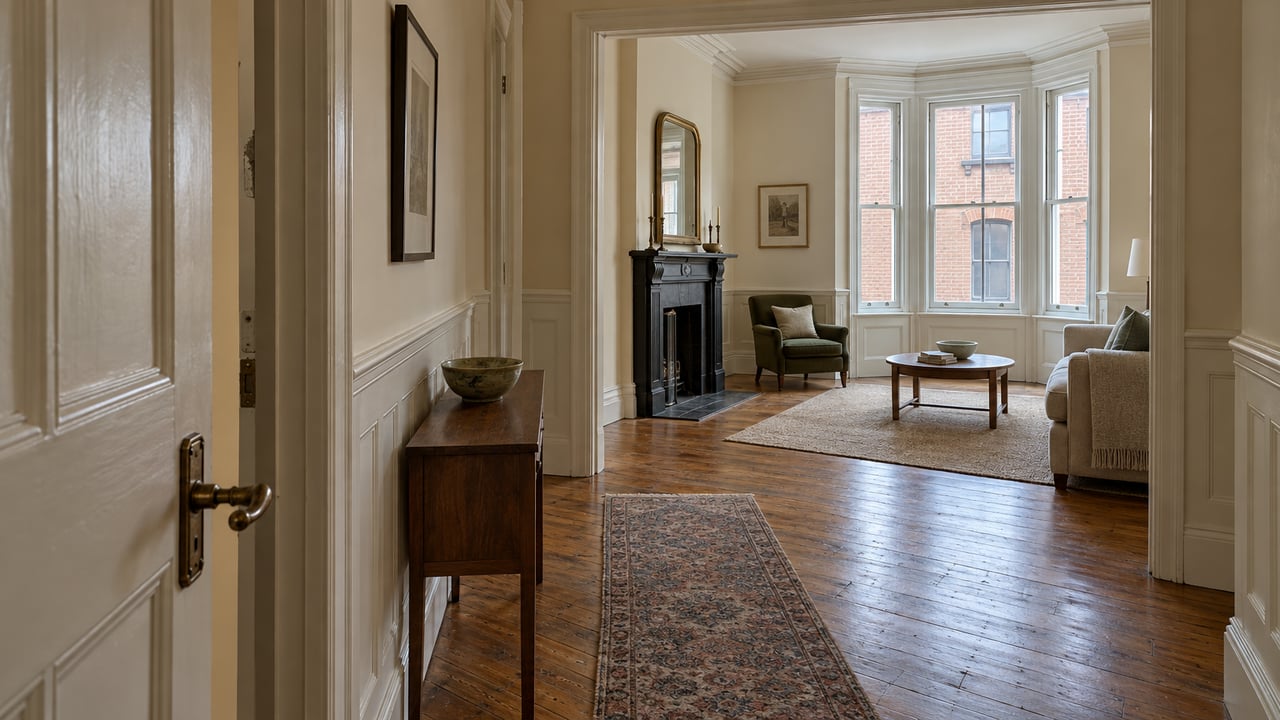
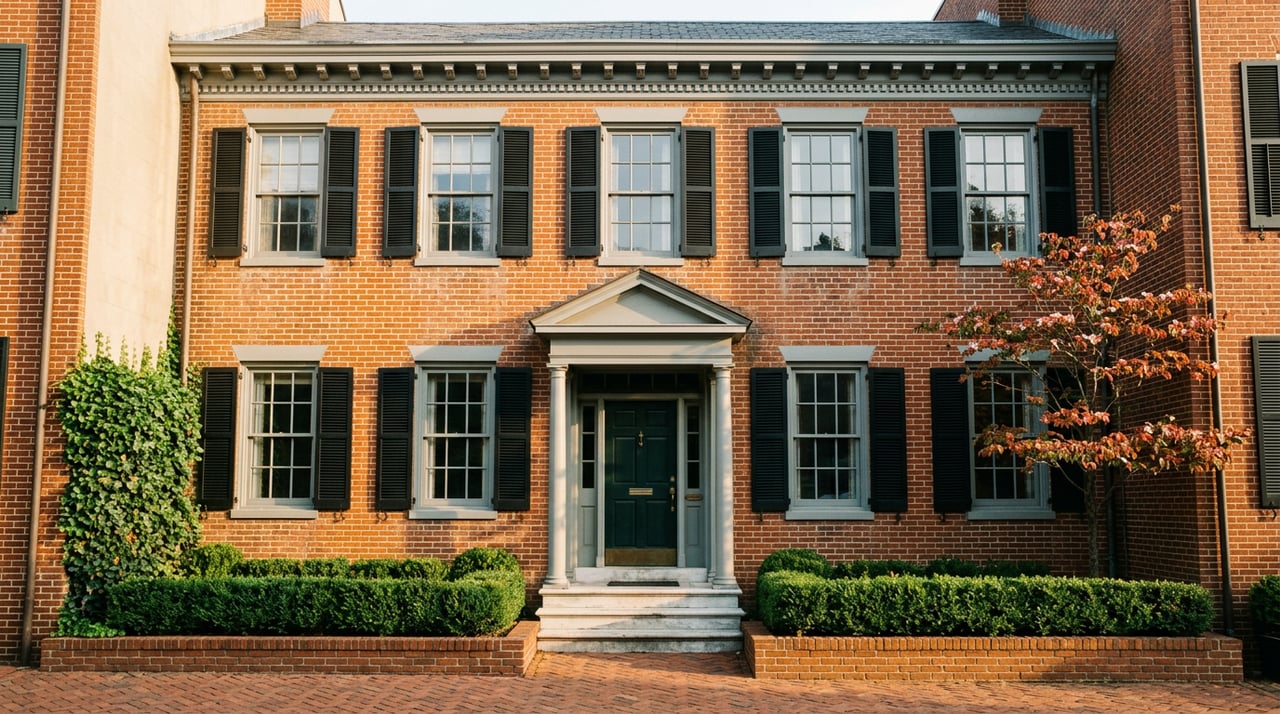
In Old Town, historic rowhouses and attached homes are common. The area’s smaller lot patterns and dense mix of uses shape the housing stock, so many homes fit neatly into the walkable street grid that makes Old Town so recognizable.
Farther north, Old Town North offers a more mixed-use, waterfront-adjacent setting. According to the city, that area includes about 2,600 residential units and 3,100 residents, with housing that is roughly 20 percent townhomes and 80 percent multifamily units. That mix includes converted garden-style apartments, townhomes, and apartment or condominium buildings.
Newer redevelopment has also added mixed-use residential projects along the waterfront. Robinson Landing is one example the city identifies as a complex of residences and restaurants built on the Robinson Terminal South site.
Common Home Styles Near the Waterfront
- Historic rowhouses and attached homes in Old Town
- Condos in newer or redeveloped waterfront blocks
- Multifamily buildings in Old Town North
- Mixed-use buildings with homes near ground-floor retail and dining
Why Buyers Are Drawn to It
For many buyers, the lifestyle is the main reason to consider waterfront living in Alexandria. The area offers a rare mix of river views, history, dining, and everyday convenience in one walkable setting.
Visit Alexandria notes that Old Town has more than 200 independent restaurants and shops. Waterfront dining is a major part of the experience, with dockside patios and riverside dining rooms that make the Potomac part of your daily backdrop.
The area also supports a lifestyle that goes beyond restaurants. The marina offers boating, overnight slips, short-term docking, and sightseeing or water taxi service. The Old Town Farmers Market runs every Saturday year-round, and the city says peak season brings more than 70 vendors.
If you enjoy being out and about, that energy can be a real benefit. Instead of living near a destination, you are living in one.
What Daily Life Looks Like
The rhythm of waterfront living often changes with the season. Spring and summer tend to bring more outdoor dining, more foot traffic, and more activity along the river. Some patios remain open in winter with heaters, which helps keep the area active even when temperatures drop.
That said, this is a working, public waterfront with steady visitor interest. You will likely share the area with tourists, restaurant guests, event attendees, and people coming in for a walk or river outing. For some buyers, that creates vibrancy. For others, it may feel busier than expected.
Getting Around Without a Car
One of the strongest advantages of Alexandria’s waterfront is connectivity. King St-Old Town serves the Blue and Yellow Metro lines, and the city notes that it is the closest Metro stop to Old Town and the waterfront.
You also have access to adjacent Amtrak and VRE service. Within Old Town, free DASH buses and the free King Street Trolley add another layer of convenience, with trolley service running between King St-Old Town and Market Square every 15 minutes.
If your goal is a lifestyle with less driving, this location stands out. You can often combine walking, transit, and short local rides in a way that is harder to find in many other DMV neighborhoods.
Parking and Event-Day Tradeoffs
The flip side of that convenience is that parking can be less predictable than some buyers expect. The city actively encourages visitors to bike, walk, or use Metro, trolley, and DASH rather than count on easy parking in the historic district.
If you own a car, it is important to think through what parking will look like for your building or block. That can be especially relevant if you are comparing a historic rowhouse, a condo, or a mixed-use building with different parking setups.
Large events can also affect normal routines. City notices for major events have included road closures, reserved parking, and no-parking zones that cover sections of King Street, Union Street, and nearby blocks. On certain days, some areas may shift to pedestrian-only or local-traffic-only access.
Seasonal Crowds Are Part of the Package
Waterfront living in Alexandria comes with recurring seasonal draw. Visit Alexandria highlights events and periods that bring more visitors, including Sails on the Potomac, cherry blossom season, the Fourth of July, the Scottish Christmas Walk Parade, and the Holiday Boat Parade of Lights.
That can be exciting if you love being close to city activity. It can also mean planning around heavier foot traffic and occasional disruptions at certain times of year. The right fit often comes down to whether you see that activity as a benefit or a burden.
The Waterfront Is Still Evolving
Another point buyers should know is that the waterfront is not static. The city notes that the current interim Waterfront Park is a temporary phase and will later close so flood-mitigation infrastructure can be built and added amenities can follow.
That matters because your experience of the area may continue to change over time. In a neighborhood like this, public investment and long-term planning are part of the story, so it helps to buy with both today’s lifestyle and tomorrow’s changes in mind.
How to Decide if It Fits You
Alexandria waterfront living tends to work best if you want walkability, character, transit access, and an active neighborhood feel. It may be less ideal if your top priorities are quiet streets, easy driving access at all times, or detached-home inventory near the water.
As you compare options, focus on the questions that affect your routine most:
- Do you want historic charm or a newer condo lifestyle?
- How important is dedicated parking?
- Are you comfortable with event-related crowds and road closures?
- Do you want to be in the center of activity or just nearby?
- Would a mixed-use building fit your daily habits?
These are the kinds of details that can shape whether a waterfront home feels exciting after move-in, not just during a showing.
A Smart Buying Approach
Because the waterfront includes different housing types and block-by-block tradeoffs, it helps to evaluate each property in context. A beautiful view, a short walk to restaurants, or a charming historic block can be a major plus, but so can practical details like transit access, parking, and how busy the area gets on weekends or event days.
That is where local guidance matters. When you understand how Old Town, Old Town North, and the broader waterfront function day to day, you can make a more confident decision about what kind of home and location actually fit your lifestyle.
If you are considering a move in Alexandria or elsewhere in the DMV, the Sarro Georgatsos Group can help you weigh the details, compare neighborhoods, and move forward with a strategy that fits your goals.
FAQs
What is waterfront living like in Alexandria, VA?
- Waterfront living in Alexandria is best understood as a walkable urban lifestyle in and around Old Town, with parks, trails, dining, marina access, and regular public activity along the Potomac.
What types of homes are common near the Alexandria waterfront?
- Buyers are more likely to find historic rowhouses, townhomes, condos, multifamily buildings, and mixed-use residential properties than detached single-family homes near the waterfront.
Is Old Town Alexandria waterfront walkable?
- Yes. The area is known for walkable access to parks, restaurants, shops, and the waterfront itself, with transit options that support getting around without relying entirely on a car.
How do you get around Old Town Alexandria waterfront?
- The area is served by the King St-Old Town Metro station, adjacent Amtrak and VRE service, free DASH buses, and the free King Street Trolley between King St-Old Town and Market Square.
Is parking difficult near the Alexandria waterfront?
- Parking can be more limited and less predictable than in less dense neighborhoods, especially during busy weekends and major events when road closures and parking restrictions may apply.
Are there crowds at the Alexandria waterfront?
- Yes. Seasonal events, tourism, dining, and waterfront attractions can bring heavier foot traffic at different times of year, especially during spring, summer, and holiday events.
Is the Alexandria waterfront still being developed?
- Yes. The city has ongoing waterfront planning and project work, including future flood-mitigation infrastructure and added amenities tied to the Waterfront Park area.