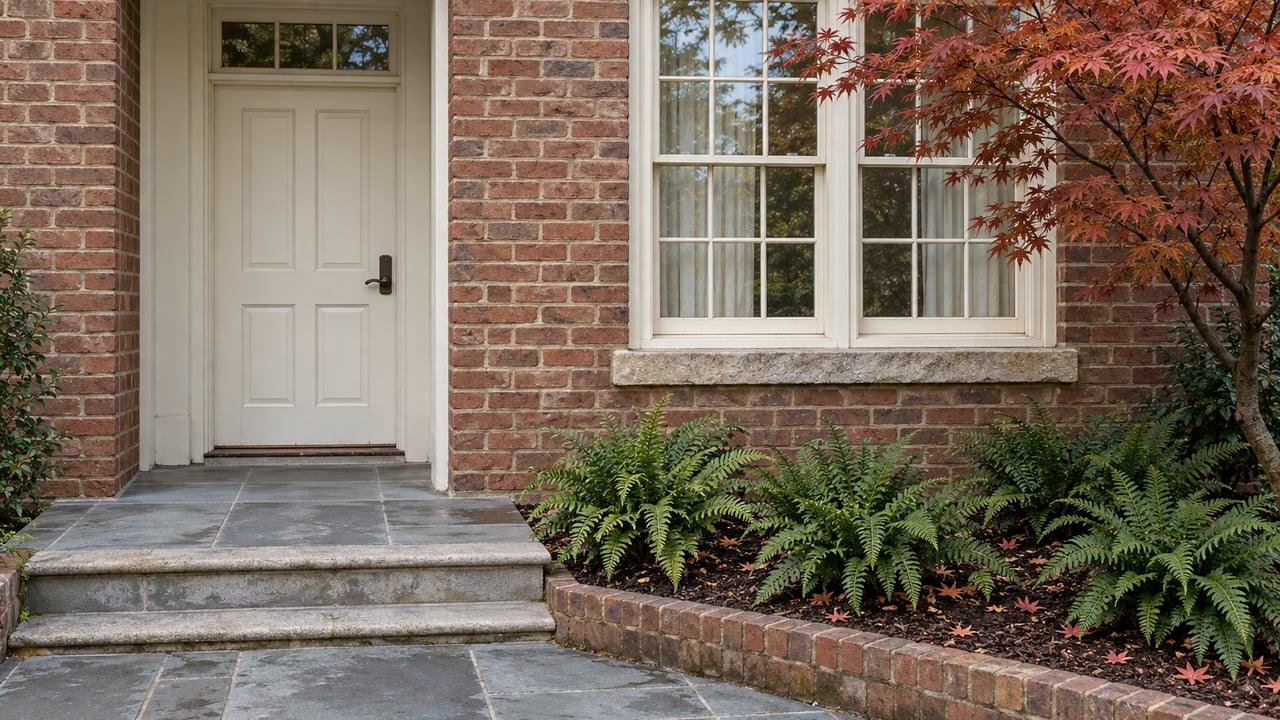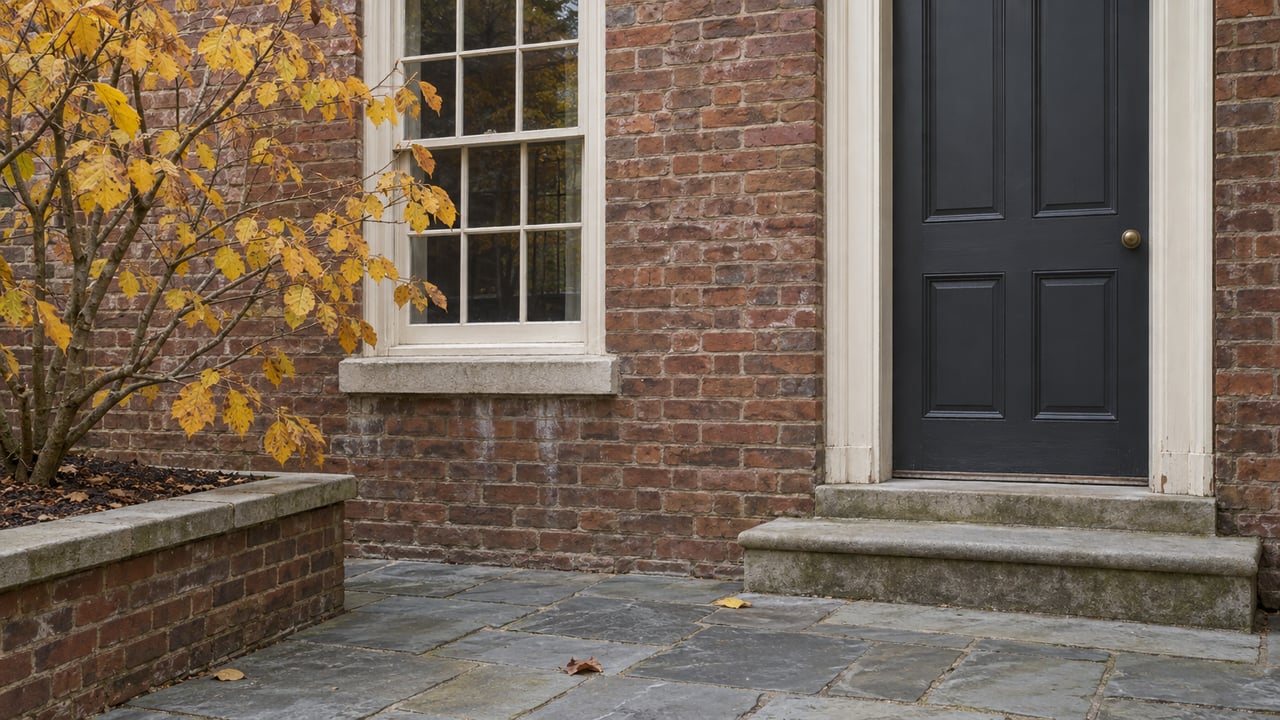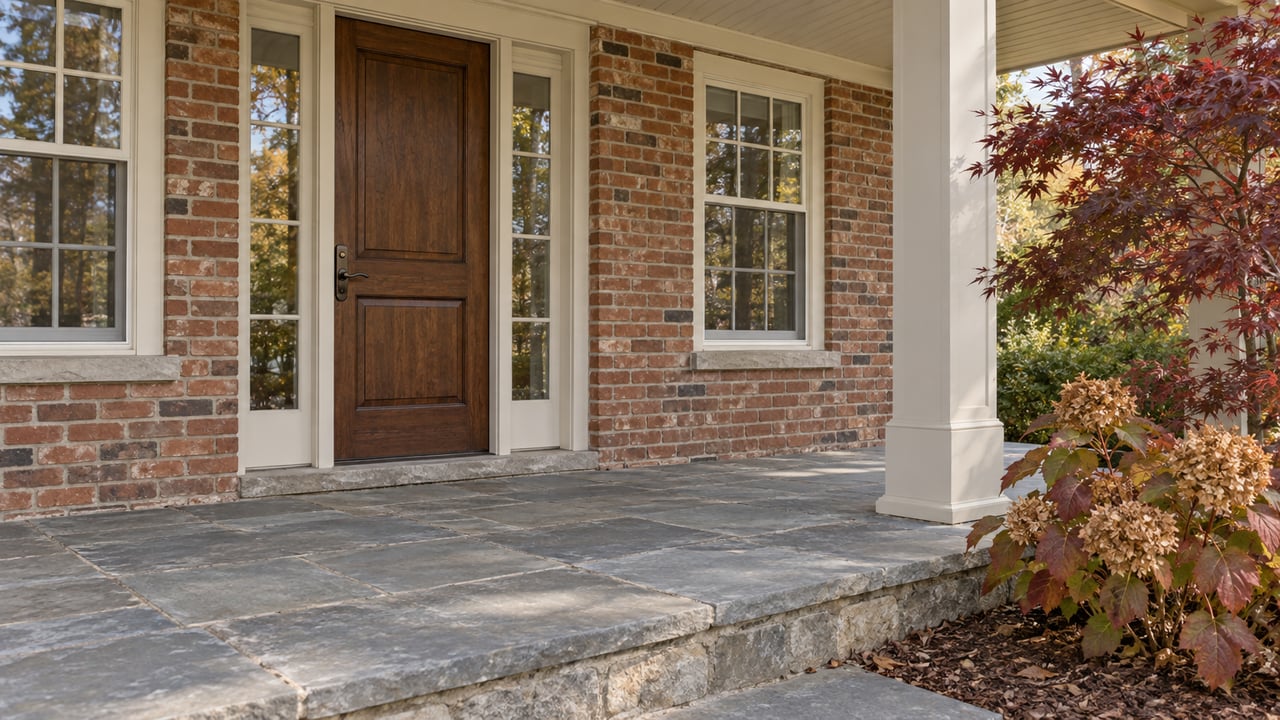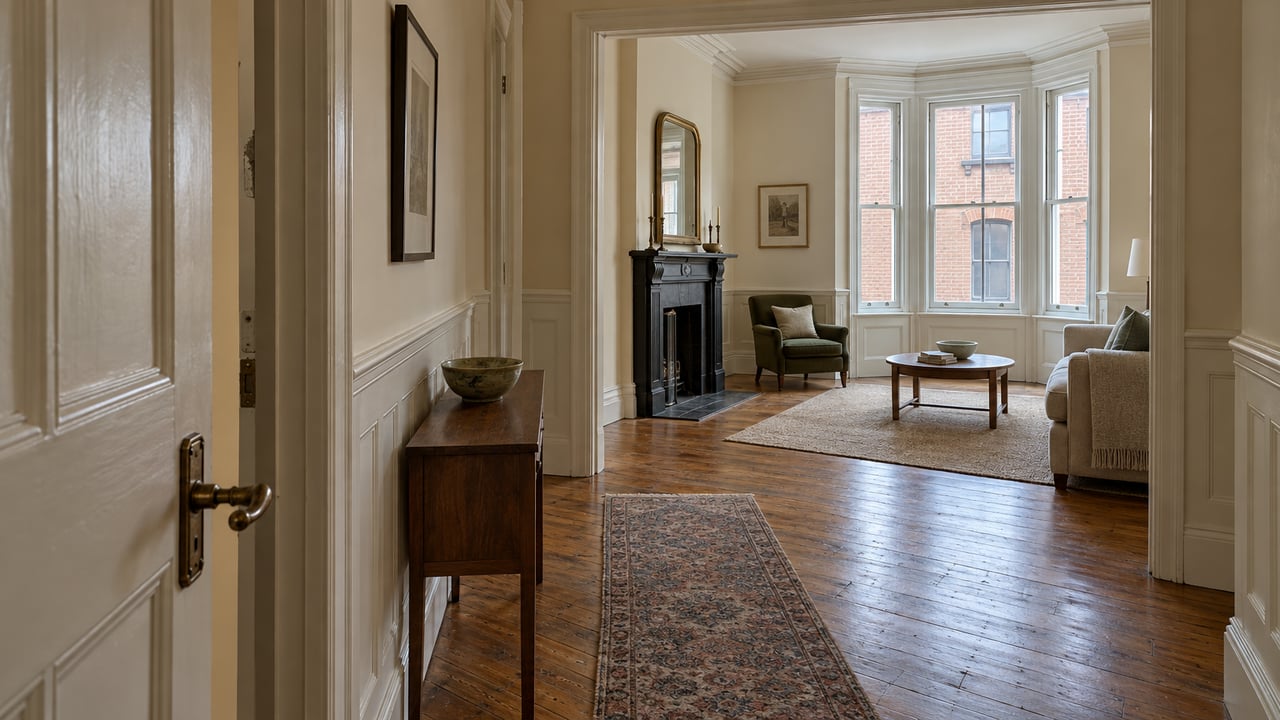
If you have ever walked through Takoma Park and felt like every block tells a slightly different story, you are not imagining it. The homes here reflect more than one era, more than one design trend, and more than one idea of what suburban living should look like. If you are buying, selling, or simply trying to understand what makes this area stand out, knowing the architecture can help you read the neighborhood with a sharper eye. Let’s dive in.
Why Takoma Park Feels So Distinct
Takoma Park began in 1883 as a railroad-accessible suburb, and that origin still shapes how the city feels today. The city describes it as hilly, tree-filled, and walkable, with streets that show off its history, culture, and seasonal change.
That setting matters because the character of Takoma Park homes is tied closely to the land itself. Mature trees, sloping lots, sidewalks, and older street patterns all work together to create a setting that feels established and layered rather than planned all at once.
A Layered Architectural Identity
One of the most appealing things about Takoma Park is that its housing stock is historic without being repetitive. Instead of one dominant look, you will find homes from several periods sitting comfortably alongside each other.
The most accurate way to think about Takoma Park is as a place with a layered architectural identity. It began as a late-19th-century picturesque suburb, grew through the streetcar era with bungalows and Craftsman homes, added a notable mid-century modern chapter, and continues to evolve with newer infill designed to fit the surrounding character.
Victorian-Era Homes and Early Craftsmanship
Some of Takoma Park’s earliest homes reflect the late 19th century, when wood-frame construction and decorative detailing were common. Montgomery County’s historic-district record notes the area’s large lots, wood siding, and vernacular versions of styles such as Queen Anne and Georgian Revival.
These homes often give parts of Takoma Park a handcrafted, lived-in feel. Rather than looking overly formal or identical, they tend to show individual character through shape, trim, porches, and varied rooflines.
A good example of this earlier architectural layer is the Davis-Warner House on Carroll Avenue, a circa 1875 Stick Style residence. It helps illustrate that Takoma Park’s historic homes are not limited to one formula, which is part of what makes the area visually interesting.
Streetcar-Era Homes Define Much of Takoma Park
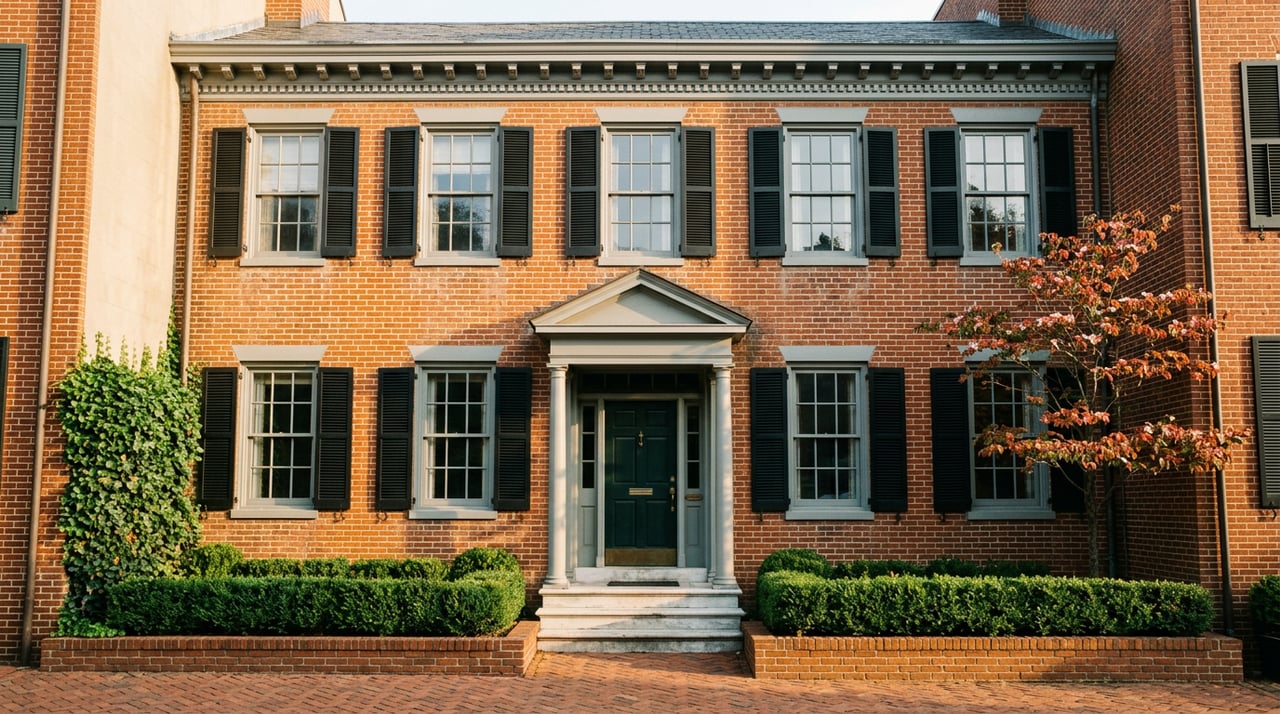
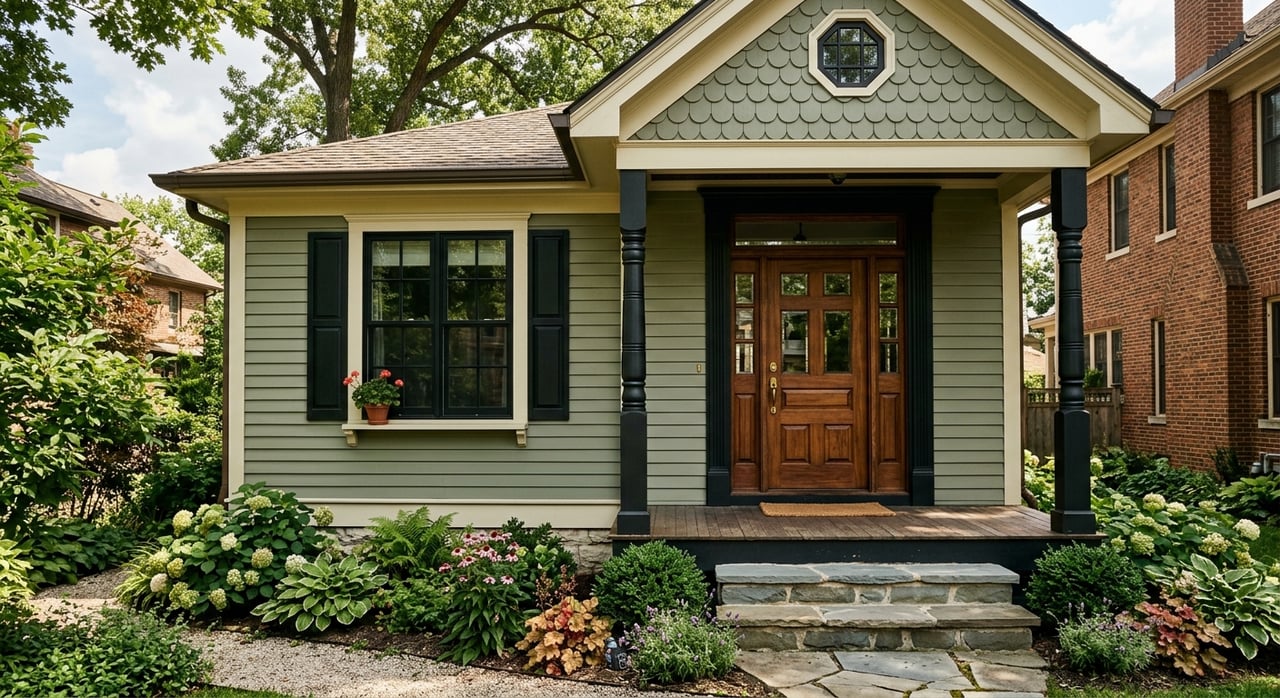
For many buyers, the clearest visual identity in Takoma Park comes from the streetcar era. This period brought a strong mix of Craftsman and Colonial Revival bungalows, American Four Squares, and mail-order catalog houses.
County guidelines identify a high concentration of catalog homes here, including at least fifteen Sears models. That detail adds another layer to the neighborhood’s appeal because it shows how national housing trends were adapted into a local streetscape with its own rhythm and setting.
Bungalows and Craftsman Influence
Bungalows and Craftsman homes are especially important to Takoma Park’s look. County guidance specifically highlights bungalow and Craftsman streetscapes on Willow, Park, Philadelphia, and Westmoreland Avenues.
These homes help define the area’s approachable, human-scale feel. Their forms tend to sit comfortably on their lots and contribute to the sense that the neighborhood grew over time with care and consistency.
American Four Squares and Modest Colonials
American Four Squares add another recognizable piece to the local housing mix. Their straightforward form helps balance some of the more decorative Victorian-era homes and some of the lower, more informal bungalows.
The city also describes Takoma Park’s broader housing mix as including modest colonials and ramblers. That variety makes the neighborhood feel accessible in design terms, with homes that span several eras without losing a shared sense of place.
Mid-Century Modern Adds Another Chapter
Takoma Park is not only about older Victorian and bungalow homes. It also includes a meaningful mid-century modern layer that gives the community even more architectural depth.
The Takoma Avenue Historic District includes five houses built in 1951 and 1952 by Charles M. Goodman. These homes were listed as a Modern Movement district, and the nomination describes their glassy, open-plan design and careful siting.
What makes this especially interesting is the contrast. These modern homes sit within a broader setting that includes older Cape Cods, bungalows, and Colonial Revival houses, showing that Takoma Park’s identity has always been more evolving than fixed.
The Role of Trees, Streets, and Lot Patterns
Architecture is only part of the story in Takoma Park. The setting around the homes plays a major role in how the neighborhood is experienced.
County design guidelines stress the importance of preserving mature trees, street trees, sidewalks, and canopy cover. In practical terms, that means the character of Takoma Park comes not just from façades and rooflines, but from the green framework around them.
This is one reason homes here often feel connected to the street in a memorable way. The canopy, the hills, and the sidewalks support a streetscape that feels established and visually rich across seasons.
Historic Preservation Shapes the Look
Takoma Park has a strong preservation culture, and that helps explain why its older housing stock still feels so intact. The city’s streetscape guidance describes the Historic District as the oldest developed portion of the city and notes that modifications there should be minimal.
Within the Montgomery County Takoma Park Historic District, exterior changes require a Historic Area Work Permit. That process reflects the city’s broader commitment to preserving the existing residential building stock while allowing the neighborhood to continue functioning as a living community.
For buyers and owners, this matters because the neighborhood’s appearance is not accidental. It is supported by rules and review processes that aim to protect the features people value most.
Newer Infill Still Has to Fit
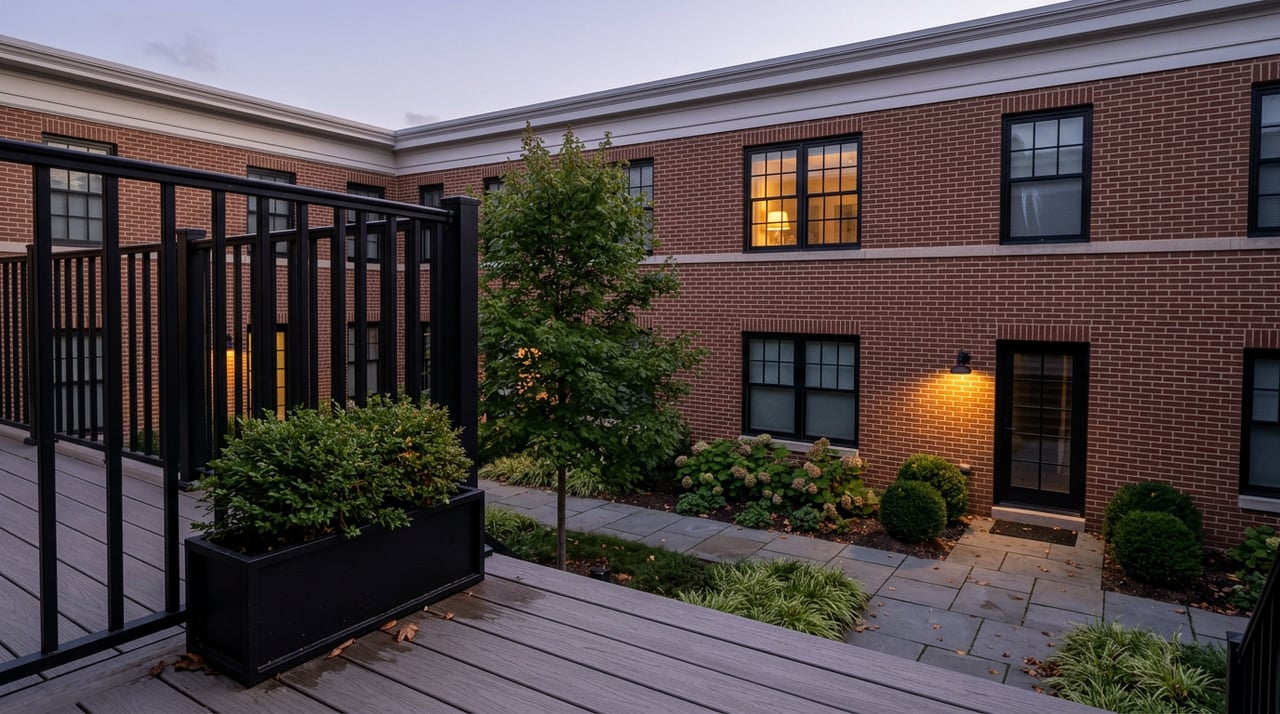
Takoma Park is not frozen in one time period. Montgomery County’s design guidelines recognize that new or infill construction will continue to happen over time.
The key expectation is compatibility. New homes and additions should fit the historic setting and remain compatible in character, which helps the neighborhood evolve without losing the qualities that make it recognizable.
For sellers, this can support long-term appeal because the surrounding environment is shaped by thoughtful standards. For buyers, it means newer construction is usually part of a broader visual conversation with the existing streetscape.
What Buyers Should Notice
If you are shopping for a home in Takoma Park, it helps to look beyond bedroom count and square footage. The style, era, lot placement, and relationship to the street can tell you a lot about how a home lives and how it fits into the neighborhood.
A few details worth paying attention to include:
- Whether the home reflects an early Victorian, bungalow, Four Square, colonial, rambler, or mid-century modern influence
- How the house sits on its lot, especially on hilly or tree-filled streets
- The presence of original materials or architectural features
- Whether the home is located within the historic district
- How nearby homes contribute to the overall streetscape
These details can shape both daily experience and long-term value. In a place like Takoma Park, character is often part of the reason people fall in love with a property in the first place.
What Sellers Should Understand
If you are preparing to sell a Takoma Park home, your property’s architecture is part of your story. Buyers are often drawn to the area because it does not feel generic, so presenting the home in a way that highlights its period, setting, and distinctive features can make a real difference.
That does not mean overcomplicating the process. It means understanding what stands out, what should be preserved or emphasized, and how to position the home within the broader appeal of Takoma Park’s tree-filled, walkable, architecturally varied environment.
This is where thoughtful preparation matters. Strong staging, smart repairs, careful pricing, and a clear understanding of what buyers value in this market can help bring the home’s character into focus.
Why Takoma Park Continues to Stand Out
Takoma Park stands out because it offers something many buyers are looking for but cannot always find: architectural personality tied to a real sense of place. Its homes reflect railroad-suburb origins, streetcar-era growth, preservation-minded stewardship, and a later modern design chapter, all within a canopy-rich setting.
That combination gives the neighborhood depth. Instead of a one-note housing stock, you get a community where historic bungalows, Victorians, modest colonials, ramblers, and mid-century modern homes all contribute to the bigger picture.
If you are thinking about buying or selling in Takoma Park, local guidance can help you understand how a home’s architecture, setting, and condition fit into the market. The Sarro Georgatsos Group brings hands-on preparation, neighborhood insight, and practical strategy to help you make a smart move.
FAQs
What architectural styles are common in Takoma Park homes?
- Takoma Park homes commonly include late-19th- and early-20th-century styles such as Queen Anne, Georgian Revival, bungalows, Craftsman homes, American Four Squares, modest colonials, ramblers, and a small but notable group of mid-century modern homes.
What gives Takoma Park homes their character?
- Takoma Park homes get much of their character from their layered architectural history, wood-frame craftsmanship, mature trees, hilly lots, sidewalks, and a walkable streetscape shaped by preservation efforts.
Are there historic homes in Takoma Park?
- Yes. Takoma Park includes many historic homes and is known for an older residential core where historic character remains an important part of the neighborhood identity.
Does Takoma Park have Craftsman or bungalow homes?
- Yes. County guidelines identify strong bungalow and Craftsman streetscapes in Takoma Park, especially on Willow, Park, Philadelphia, and Westmoreland Avenues.
Are there mid-century modern homes in Takoma Park?
- Yes. The Takoma Avenue Historic District includes five Charles M. Goodman houses built in 1951 and 1952 that represent an important mid-century modern layer in the neighborhood.
What should buyers know about homes in Takoma Park’s historic district?
- Buyers should know that exterior changes within the Montgomery County Takoma Park Historic District require a Historic Area Work Permit, which reflects the area’s preservation-focused approach.
How does new construction fit into Takoma Park?
- New or infill construction is expected to occur over time, but county design guidelines say it should fit the historic setting and remain compatible in character with the surrounding neighborhood.
Why do Takoma Park streets feel so distinctive?
- Takoma Park streets feel distinctive because the neighborhood combines historic homes, varied architecture, mature tree canopy, sidewalks, hills, and long-established lot patterns in a walkable setting.