Trying to choose between Kensington and Bethesda for your next move? It is a common question in Montgomery County, especially if you want the right mix of lifestyle, commute, and housing options without second-guessing the decision later. The good news is that both areas offer strong appeal, but they feel very different day to day. If you are weighing character, convenience, price, and pace, this guide will help you sort out which one fits you best. Let’s dive in.
Kensington vs. Bethesda at a Glance
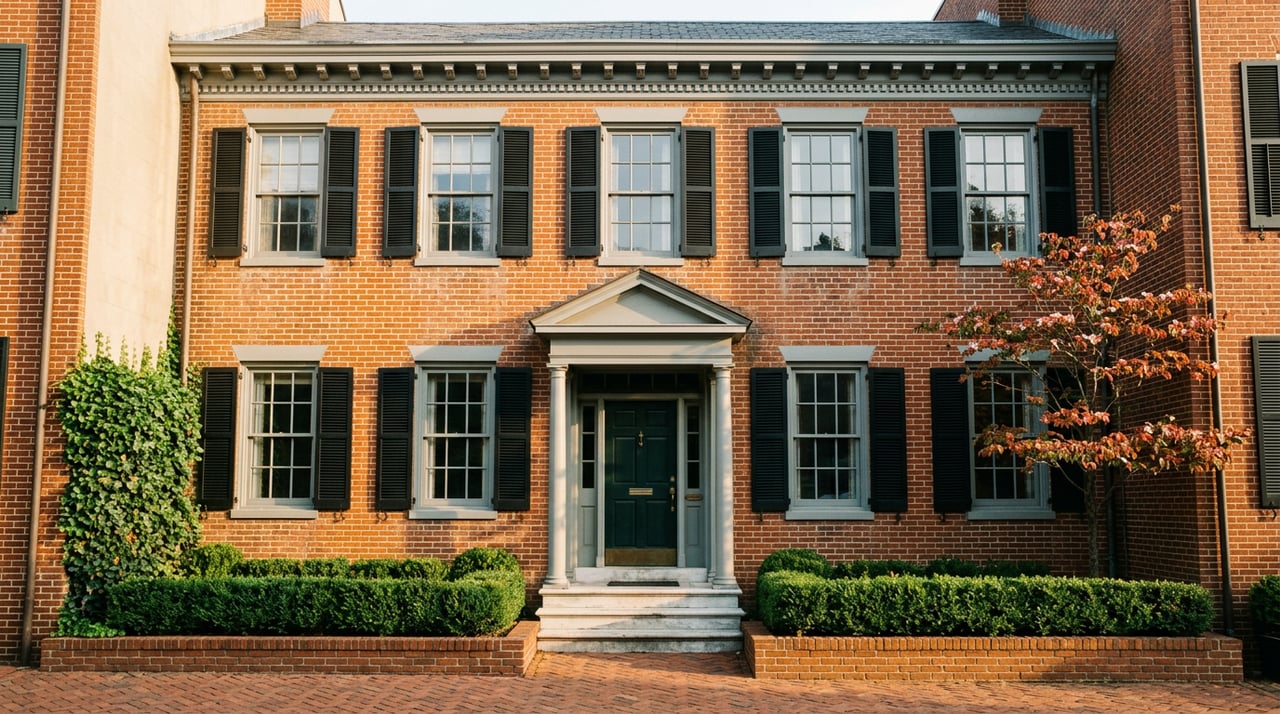
If you want a quick summary, Kensington tends to feel smaller, quieter, and more historic. Montgomery Planning describes it as a village-scale community with neighborhood retail, housing that ranges from smaller apartments near Antique Row to larger single-family homes in the historic district, and plans for a more connected mixed-use town center.
Bethesda offers a more urban experience. Montgomery Planning describes downtown Bethesda as an arts and entertainment destination and a major economic hub with more than 17,000 residents, over 33,000 jobs, and a wide range of housing types. Since 2017, the downtown area has added more than 1,700 housing units, with about 70% in larger multifamily apartment buildings.
In simple terms, Kensington often appeals to buyers who want small-town character, while Bethesda often attracts buyers who want a denser, more walkable environment with a broader mix of restaurants, shopping, and transit.
Housing Style and Price Differences
One of the biggest differences between Kensington and Bethesda is the housing mix. In Kensington, official planning materials point to smaller apartments near Antique Row, older single-family homes in the historic district, and housing geared in part toward older residents. That creates a market with visible variety, even within a relatively compact area.
Zillow’s April 30, 2026 snapshot puts Kensington’s typical home value at $820,370, with 32 homes for sale and a median list price of $899,967. Even there, pricing is not one-size-fits-all. Zillow shows values within Kensington ranging from $613,660 in North Kensington to $1,094,288 in South Kensington.
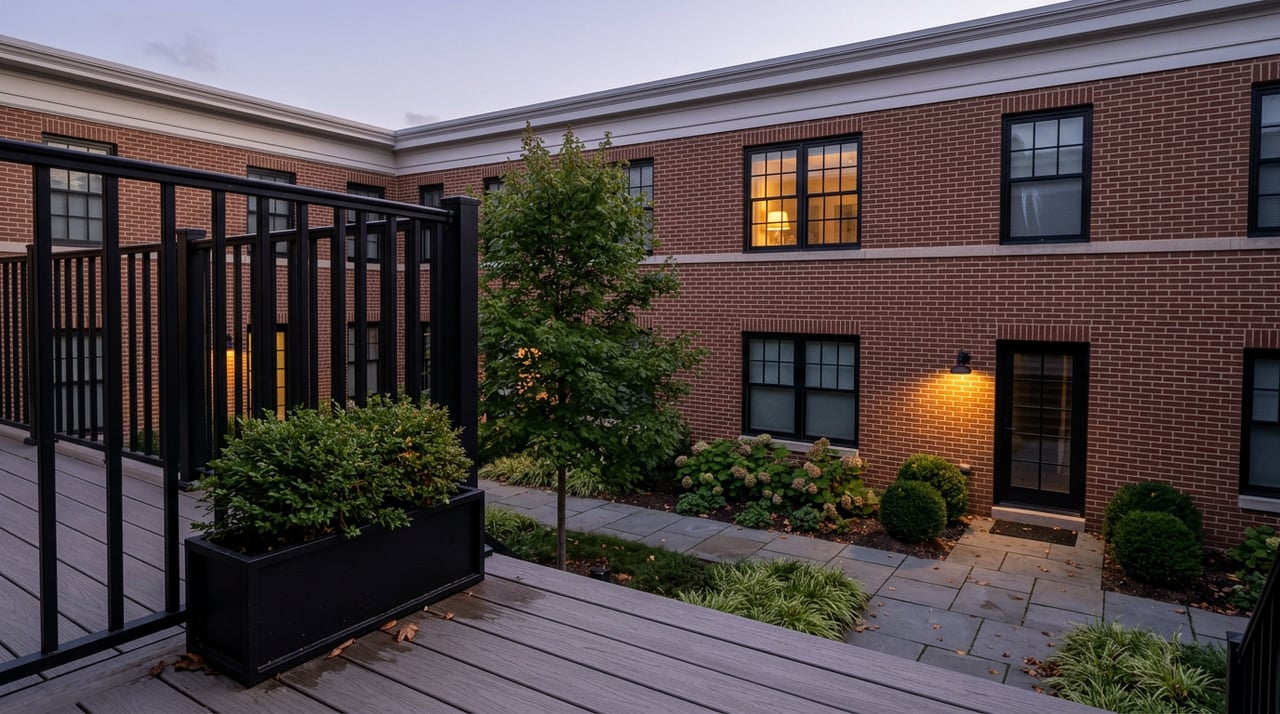
Bethesda has a different feel and a different price point. Downtown planning documents describe an area with multifamily apartment buildings ranging from four to 15 stories, townhouses ranging from three to four stories, and some single-family structures used mainly as businesses. For buyers who want condos or apartments close to daily amenities, Bethesda offers more of those options in and around the downtown core.
Zillow’s April 30, 2026 snapshot shows a typical home value of $1,165,158 in Bethesda, along with 237 homes for sale. Zillow also reports a median days-to-pending of 10 and a median sale price of $1,142,833 as of March 31, 2026, though it notes that Bethesda figures reflect the surrounding area rather than a perfectly defined local boundary.
What the Numbers Mean for You
If your budget is a key part of the decision, Kensington may offer a lower starting point on average. That does not mean every Kensington home is less expensive, but it does suggest a lower overall baseline than Bethesda.
If you are shopping in Bethesda, you may be paying more for proximity to downtown amenities, Metro access, and a denser housing market. For some buyers, that tradeoff is worth it. For others, Kensington’s value proposition feels more balanced.
Daily Lifestyle: Village Feel or Urban Energy?
Lifestyle can be the deciding factor when two markets are both attractive. Kensington is strongly tied to its historic identity. The Town of Kensington highlights Antique Row and Victorian homes, and describes Old Town as home to antique shops, bookstores, consignment stores, jewelry, home décor, gifts, and a Saturday farmers market at the Kensington MARC station.
That points to a locally oriented, village-scale setting. If you enjoy a smaller business district, historic character, and a slower rhythm, Kensington may feel more comfortable and more personal in daily life.
Bethesda offers a much denser amenity base. According to Bethesda Urban Partnership, downtown includes nearly 200 restaurants, 75 home-fashion retailers, unique boutiques, day spas and salons, three live theaters, and art galleries. The same source says there are nearly 700 retailers and businesses downtown, and the Bethesda Arts & Entertainment District has been in place since 2002.
If you want many choices within a compact area, Bethesda stands out. You can do more on foot, and the environment feels more active throughout the day and evening.
Which Lifestyle Fits Best?
Kensington may be the better match if you want:
- Historic character
- A smaller-town atmosphere
- Local shops and a more relaxed pace
- A lower typical home value baseline than Bethesda
Bethesda may be the better match if you want:
- A denser downtown setting
- More restaurants and retail choices
- More condo and apartment options
- A more transit-oriented lifestyle
Commute and Transit Options
Commute patterns can shape how a neighborhood feels long after move-in day. Bethesda has the stronger rail transit profile. WMATA says Bethesda is a Red Line station on Wisconsin Avenue, and the station is within walking distance of Bethesda Row. Downtown Bethesda is also served by Metrobus, Montgomery County Ride On buses, the free Bethesda Circulator, and 17 public parking garages and surface lots.
Bethesda Urban Partnership also notes that you can walk from one end of downtown to the other in about 20 minutes. If you want to rely less on a car, that kind of connectivity matters.
Kensington’s transit story is different. The Maryland Transit Administration lists the Kensington MARC station at 3701 Howard Avenue, with 45 parking spaces and connections to Ride On routes 4, 33, and 34. Montgomery Planning also emphasizes Kensington’s position at a crossroads centered on Connecticut Avenue and its goal of improving pedestrian connections into the town center.
For many households, that means Kensington can work well if you are comfortable with a mix of MARC, bus service, and driving. It is less of a transit-first environment than Bethesda, but it may still be a good fit depending on your routine.
One Important Bethesda Note
WMATA says Bethesda station is undergoing work on a new mezzanine that will connect to the future Purple Line Bethesda Station. That is promising for long-term connectivity, but it can also create short-term construction impacts around station access.
Inventory and Market Feel
Another practical difference is the amount of inventory. Zillow’s snapshot shows 32 for-sale listings in Kensington compared with 237 in Bethesda. While inventory changes over time, that contrast helps show the broader market pattern.
Bethesda generally gives you more options to compare, especially if you are looking across property types. Kensington may feel more limited in volume, but that can also be part of its appeal for buyers who want a smaller, more defined setting.
The pace also looks different. Zillow reports a median days-to-pending of 10 in Bethesda, which suggests active demand. If you are buying there, preparation matters. If you are selling there, presentation and pricing still matter just as much, especially in a market with many choices.
How to Decide Between Kensington and Bethesda
If you are still torn, it helps to focus on the practical questions that affect your week-to-week life.
Choose Kensington if you value:
- A village-scale setting
- Historic homes and neighborhood character
- Antique Row and locally oriented retail
- A quieter feel than a dense downtown
- A lower typical value baseline than Bethesda
Choose Bethesda if you value:
- Red Line Metro access
- A broad restaurant and retail base
- More condos, apartments, and multifamily options
- A walkable downtown environment
- A higher-energy, more urban setting
Ask Yourself These Questions
- How important is Metro access in your daily routine?
- Do you want a historic small-town atmosphere or a more urban downtown?
- Are you open to condos or apartments, or are you mainly focused on detached homes?
- Does a lower baseline price matter more than a wider amenity base?
- Would you rather have a compact local retail district or a large concentration of dining and shopping options?
The right answer is not about which area is better overall. It is about which one makes your daily life easier and your next move smarter.
Why Local Guidance Matters
Kensington and Bethesda are close geographically, but they can lead to very different buying and selling strategies. Pricing, housing type, inventory, and buyer expectations all shift from one area to the other. That is especially true if you are moving up, relocating, or trying to line up a sale and purchase at the same time.
A local team can help you compare not just price points, but also fit. That includes narrowing down housing options, understanding how each area lives day to day, and preparing your current home if you need to sell before you buy. In close-in Montgomery County, details matter.
If you are thinking about a move in Kensington, Bethesda, or nearby communities, the Sarro Georgatsos Group can help you evaluate your options with clear local guidance, smart pricing insight, and hands-on support from search through closing.
FAQs
What is the main difference between Kensington and Bethesda for homebuyers?
- Kensington generally offers a smaller, more historic, village-style setting, while Bethesda offers a denser, more urban environment with more restaurants, retail, and transit access.
Is Kensington usually less expensive than Bethesda?
- Based on Zillow’s April 30, 2026 snapshot, Kensington had a typical home value of $820,370 compared with $1,165,158 in Bethesda, though prices vary within both markets.
Does Bethesda have better public transit than Kensington?
- Bethesda has stronger rail transit access through the Red Line, along with bus service and a highly walkable downtown. Kensington is more oriented around MARC, Ride On bus connections, and driving.
What kind of homes can you find in Kensington?
- Planning materials describe Kensington as having smaller apartments near Antique Row, older single-family homes in the historic district, and additional housing aimed at older residents.
What kind of homes can you find in downtown Bethesda?
- Downtown Bethesda includes multifamily apartment buildings, townhouses, condominiums, and a more urban housing mix than Kensington.
Is Kensington or Bethesda better for a walkable lifestyle?
- Bethesda is generally the stronger fit for a walkable, transit-connected lifestyle, especially in the downtown core. Kensington is more village-scaled and less dense, with a different kind of walkability centered on local shops and the town center.
Which area has more shopping and dining options, Kensington or Bethesda?
- Bethesda has the larger amenity base. Bethesda Urban Partnership says downtown includes nearly 200 restaurants and nearly 700 retailers and businesses, while Kensington is more focused on smaller-scale local retail around Old Town and Antique Row.
Should you choose Kensington or Bethesda if you are moving within Montgomery County?
- The better choice depends on your priorities, including budget, commute style, preferred housing type, and whether you want a small-town atmosphere or a denser downtown environment.