Wondering if you can really live with fewer car trips in Silver Spring? If you are moving within the DC area or relocating from farther away, that question matters because “walkable” can mean very different things from one block to the next. In Silver Spring, the answer is yes, especially near downtown, and understanding where that lifestyle works best can help you choose a home that fits your daily routine. Let’s dive in.
Why Silver Spring Stands Out
Downtown Silver Spring is the area’s strongest case for walkable living. Montgomery Planning describes it as a pedestrian-friendly, transit-oriented downtown just north of Washington, DC, with a mix of residential and commercial development inside the I-495 beltway.
That design shows up in everyday life. The county says downtown supports more than 260 employers, nearly 13,000 employees, and over one million square feet of retail, office, restaurant, and theater space. For you, that means errands, dining, work, and entertainment can often happen within the same part of town.
What You Can Do on Foot
A walkable neighborhood only works if your day-to-day needs and wants are close at hand. In Downtown Silver Spring, that mix is one of the biggest draws. You can reach restaurants, shops, entertainment, and civic gathering spaces without planning every outing around a car.
The area’s cultural life adds to that experience. The Silver Spring Civic Building at Veterans Plaza hosts concerts, festivals, and community events, while the Arts & Entertainment District includes dining, public art, AFI Silver, and activity around Veterans Plaza. Visit Montgomery also describes Downtown Silver Spring as an eclectic mix of dining, shopping, and entertainment.
For many buyers, that creates a lifestyle shift. Instead of driving for every meal, event, or quick errand, you may be able to build more of your week around walking a few blocks.
Transit Makes Car-Light Living Real
Walkability in Silver Spring is not just about sidewalks. Transit is what makes a car-light lifestyle more realistic, especially if you commute or move around the region often.
WMATA says the Silver Spring station is attached to the Paul S. Sarbanes Transit Center and sits steps from the central arts district. The station itself has no daily, metered, or reserved parking, but it does offer 39 bike racks, 30 lockers, bikesharing, and Wi-Fi.
That setup matters because it supports people who get around without relying on a parked car at the station. The transit center also has more than 30 bus bays serving Metrobus, Ride On, VanGo, the University of Maryland shuttle, and regional bus and MARC information.
Montgomery County adds even more context. Downtown Silver Spring has 20 Ride On routes, 14 Metrobus routes, a bikeshare station, and the Silver Spring MARC station. The county also says the Silver Spring Metro station is the busiest in the Metrorail system, with more than 24,000 weekday trips.
Can You Live Without Driving Every Day?
For many people, yes, especially if you live in or near the downtown transit-centered core. The combination of Metro, MARC, buses, bikeshare, bike storage, and a dense cluster of destinations makes it possible to handle commuting, social plans, and many errands without needing to drive every day.
That said, it helps to be realistic. Silver Spring is best understood as a spectrum, not a single walkability experience. The closer you are to downtown and the transit hub, the easier it is to go car-light. As you move farther from the core, the area feels more suburban, and a car becomes more useful.
Trails and Green Space Add Flexibility
Walkable living is not only about streets lined with shops. In Silver Spring, trails and park connections also shape how you move through the area and enjoy your free time.
Montgomery Parks says the Sligo Creek Trail is about 10.2 miles long and is one of the county’s oldest and most used trail facilities. It includes paved connectors that link parks, schools, and neighborhoods to the main route.
That is a real lifestyle advantage if you value outdoor time close to home. At the same time, the trail includes hilly sections and several busy street crossings, so it is helpful to think of it as part of the mobility picture, not as a completely separated car-free network.
Silver Spring’s trail story is also evolving. Montgomery Planning says the planned Silver Spring Green Trail will run from Spring Street to Sligo Creek Trail along Second Avenue and Wayne Avenue, connecting to the Capital Crescent Trail and Metropolitan Branch Trail at the Paul Sarbanes Transit Center while also providing direct access to Purple Line stations and the Silver Spring Metro station.
Housing Types in Walkable Silver Spring
If you are picturing walkable living in Silver Spring, your housing options may look different from those in lower-density neighborhoods. Census Reporter shows that at the broader Silver Spring CDP level, there are 34,614 housing units, with 61% renter-occupied and 64% in multi-unit buildings.
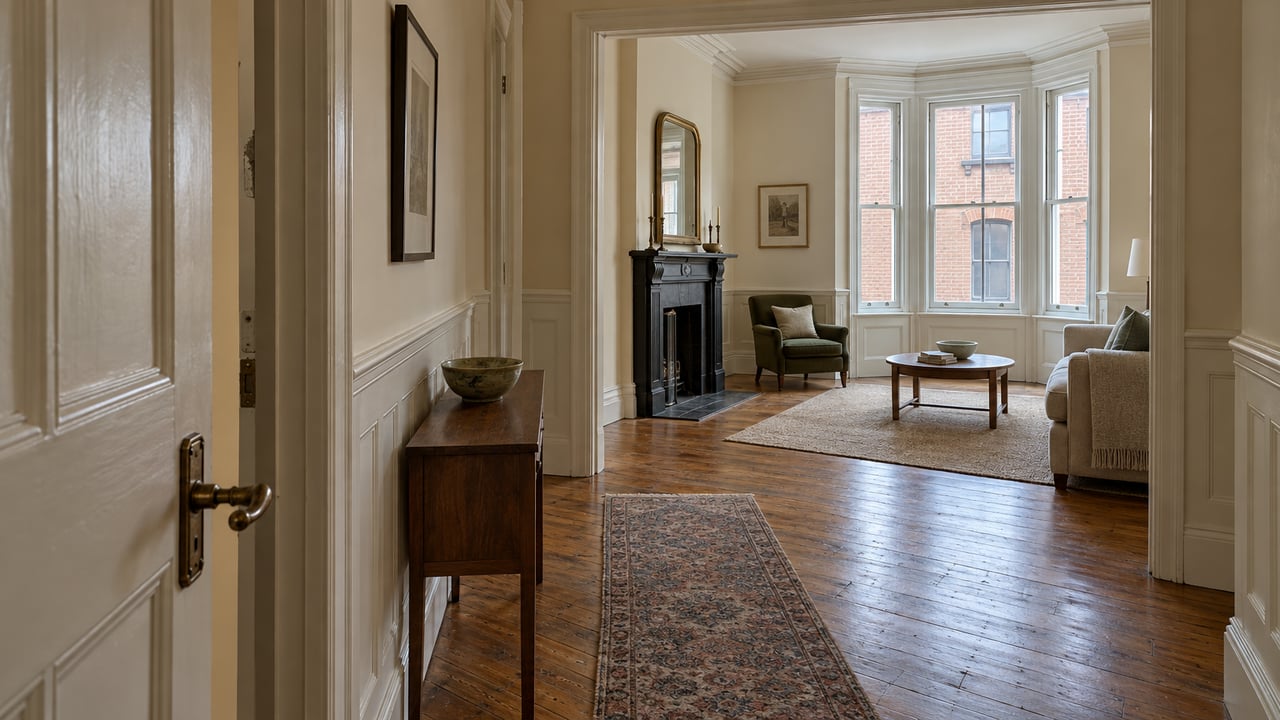
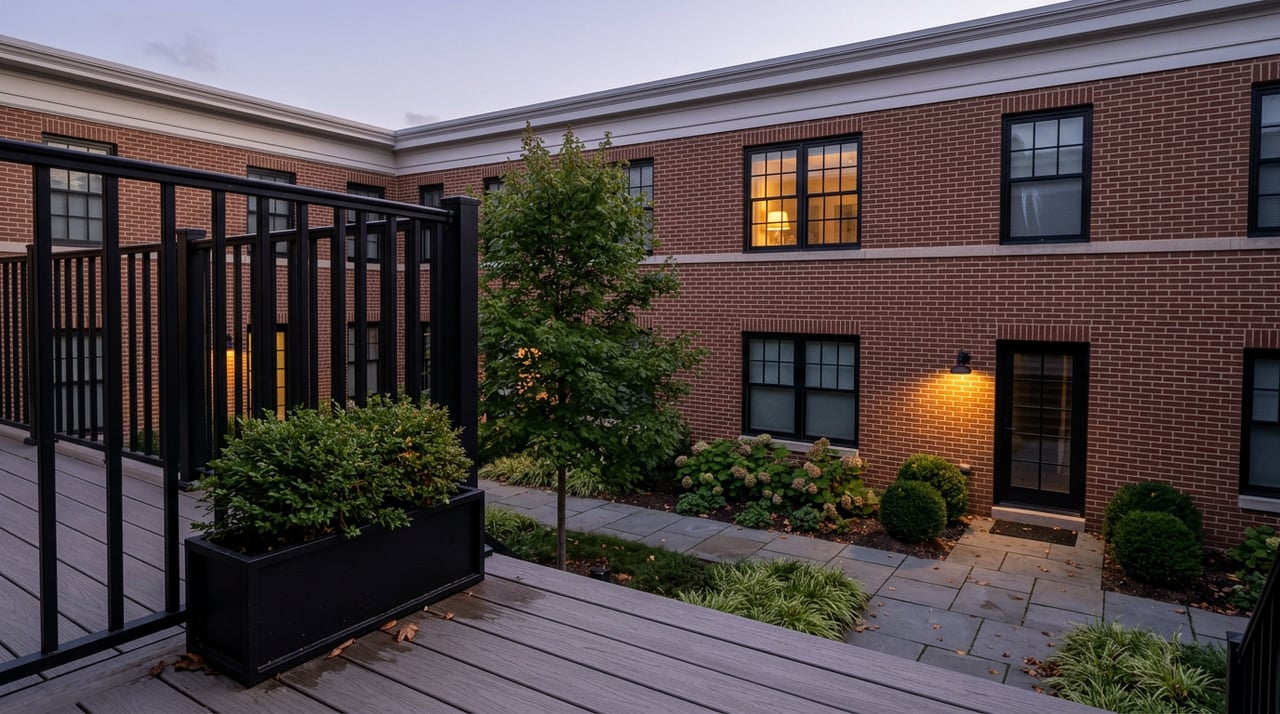
That does not describe downtown alone, but it does help explain why the most walkable parts of Silver Spring often feel more apartment- and condo-oriented. If your top priority is being able to walk to transit and daily amenities, a condo, apartment, or townhome may be a more natural fit than a detached home.
The broader picture is more varied. Montgomery Planning says the Eastern Silver Spring plan area includes single-family houses, duplexes, condos, townhouses, and small and large apartment buildings. The same plan notes that townhomes, duplexes, triplexes, and quadplexes often cost less than single-family homes in Montgomery County, which can open more paths to homeownership.
Which Buyer Lifestyle Fits Best
Walkable Silver Spring tends to appeal to buyers who want convenience, flexibility, and access. That can include first-time buyers, relocation clients, and move-up buyers who want a more connected daily routine.
You may be a strong match for downtown or transit-adjacent Silver Spring if you want:
- Easier access to Metro, MARC, and bus service
- More options for dining, shopping, and entertainment nearby
- A home base that supports commuting without daily driving
- A condo, townhome, or other lower-maintenance property type
- A neighborhood feel that blends residential living with urban activity
If you prefer a quieter residential setting or expect to drive regularly, a location farther from the core may fit better. Silver Spring offers both experiences, which is part of what makes the area so appealing.
What About Parking?
Even if you want a walkable lifestyle, you may still drive sometimes. That is an important part of the Silver Spring picture.
The Metro station itself does not have parking, according to WMATA. But downtown does include garage parking near the Civic Building and within the parking district, which helps if you still keep a car for certain trips, visitors, or weekend errands.
In practice, that means you do not have to think in extremes. Many residents can live in a way that is more car-light rather than fully car-free.
How to Evaluate Walkability When Home Shopping
If Silver Spring is on your shortlist, it helps to look beyond the broad neighborhood name. Walkability can change quickly based on how close you are to the downtown core, transit, and daily services.
As you compare homes, pay attention to:
- Distance to the Silver Spring Metro and MARC station
- Access to Ride On and Metrobus routes
- Proximity to restaurants, groceries, and everyday errands
- Nearby trails, parks, and outdoor connections
- Whether the home type matches your maintenance and lifestyle goals
- How often you expect to drive versus walk, bike, or take transit
This block-by-block approach is especially helpful for relocation buyers. Two homes with the same Silver Spring address may offer very different daily routines.
Why Local Guidance Matters
Silver Spring has a lot to offer, but the right fit depends on how you actually want to live. Some buyers want the energy and convenience of the downtown core. Others want a balance between transit access and a more residential setting.
That is where local guidance becomes valuable. When you understand the difference between downtown Silver Spring, transit-adjacent blocks, and more suburban-feeling areas, you can make a smarter decision about where to focus your search.
If you are considering a move to Silver Spring, the right strategy starts with your real routine, not just a map label. The team at Sarro Georgatsos Group can help you compare neighborhoods, property types, and lifestyle tradeoffs so you can move with confidence.
FAQs
Is Downtown Silver Spring the most walkable part of Silver Spring?
- Yes. Based on Montgomery Planning and Montgomery County transit information, downtown and the transit-center area offer the strongest mix of pedestrian-friendly design, transit access, and nearby amenities.
Can you live car-light in Silver Spring, Maryland?
- Yes, especially near Downtown Silver Spring. Metro, MARC, Ride On, Metrobus, bikeshare, and a dense mix of restaurants, shops, and entertainment support fewer car trips.
What amenities can you reach on foot in Silver Spring?
- In Downtown Silver Spring, you can reach restaurants, shopping, entertainment venues, civic spaces, festivals, concerts, public art, and many everyday errands on foot.
Are there trails that support walkable living in Silver Spring?
- Yes. The Sligo Creek Trail provides a major paved trail connection, and the planned Silver Spring Green Trail is part of the area’s longer-term mobility network.
What types of homes are common in walkable Silver Spring?
- The broader Silver Spring area includes condos, apartments, townhouses, duplexes, single-family homes, and other multi-unit housing, with the most walkable areas tending to be more condo- and apartment-oriented.
Does the Silver Spring Metro station have parking?
- No. WMATA says the Silver Spring station does not have daily, metered, or reserved parking, though downtown includes garage parking in nearby areas.
Is all of Silver Spring equally walkable?
- No. The strongest walkable experience is in and near downtown, while areas farther from the core tend to feel more suburban and may be better suited to regular driving.